


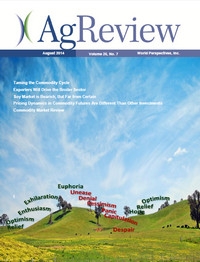
Taming the Commodity Cycle Instead of reducing the biofuel mandate, policymakers need to make it a countercyclical approach to balancing supply and demand. Exporters Will Drive the Broiler Sector Among the major proteins, the U.S. poultry sector (especially broiler production) is poised to recover most quickly and will benefit from expanded export demand. Soy Price Outlook is Bearish, But Far from Certain After several years of a very bullish market for soybeans and soybean products, the trend appears to be shifting quickly to a bearish one. Pricing Dynamics in Commodity Futures Are Different Than Other Investments Growing global demand for commodities and substantial returns enticed numerous intuitional investors into trading commod...



 What You Need to Know Today: Harvest pressure in the U.S. sent corn and soybeans lower as supplies increased and there were signs USDA’s upward revisions to yields in the October WASDE could be close to right. The conflict between Russia and Ukraine escalated over the weekend, with Ukrai...
 Key Takeaways: India is excluding sugarcane juice, sugar syrup, and B-heavy molasses from its 2026/27 fuel ethanol procurement program to protect domestic sugar supplies, potentially shifting additional demand toward corn and rice. India’s corn consumption for ethanol has surged from jus...
 Developer's Note 24 August 2026: WPI recently completed an exercise that updated the codebase for this app and solved some of the discrepancies between our five-year average calculation and USDA's. There are a few lingering cases where early (late) starts (finishes) to the crop cycle resu...

From WPI Consulting
Infrastructure investment due diligence
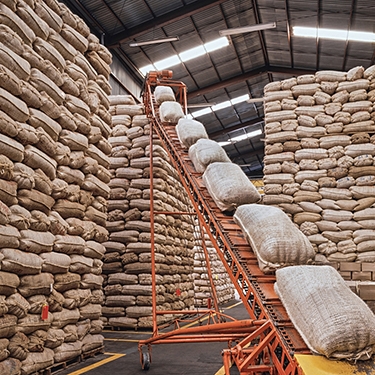
On behalf of a Canadian oilseed processer WPI's team provided market analysis, econometric modeling and financial due diligence in support of a $24 million-dollar investment in a Ukrainian crush plant. Consistent with WPI's findings, local production to supply the plant and the facility's output have expanded exponentially since the investment. WPI has conducted parallel work on behalf of U.S., South American and European clients, both private and public, in the agri-food space.