

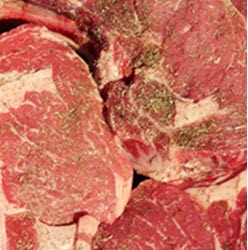
Argentina’s wheat exports have averaged 12.9 MMT over the past five years, a significant increase from years past. Drought conditions may make this season’s wheat production disappointing, but Argentina is now shifting its focus toward beef exports. Beef exports have jumped 300 percent since 2016 and now the plan is to increase them another 33 percent over the next three years. That would raise overseas sales to 1.2 MMT, with most of the total going to China. That goal may be a little elusive in the near-term since China claims to have found COVID-19 on beef packaging from Argentina. However, the drought is less of a challenge unless it has impacted grazing areas utilized by the nation’s cattlemen. ...



From WPI Consulting
Accountability and a comprehensive approach to export programming

WPI’s team helped construct a strategic approach to develop, implement, and track promotional activities in 8 key regions across the globe for an agricultural export association. With continued progress measurement and strategic advisory services from WPI, the association has seen its ROI from investments in promotional programming increase by 44 percent over the past 5 years. Not only does this type of holistic approach to organizational strategy provide measurable results to track and analyze, it fosters top-down and bottom-up organizational accountability.