
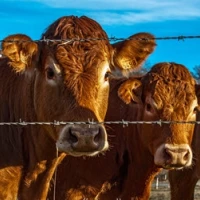
The biggest question in the cattle and beef markets lately has been “when does the rally stop?” after beef values and fed and feeder cattle prices have all rallied to new all-time highs (beef prices if one ignores the brief rally during the COVID-19 plant closures). The fundamental drivers are well known – multiple years of cow herd liquidation, strong beef demand, and the closure of the U.S.-Mexico border to feeder cattle imports – but the timing of when the party will end is far less clear. WPI’s most recent research indicates that the rallies in both live and feeder cattle prices have significant upside potential and will likely continue into 2026. The beef outlook is less bullish with prices expected to ess...



 What You Need to Know Today: There has already been a strong run of flash soybean sales announcements in recent weeks, but more than 1.4 MMT reported this morning is an exceptionally large single-day total with major implications for the market. If the sales to China and unknown destinations w...
 On Friday, at 6:57 AM, President Donald Trump announced, via a social media post, a 90-day window during which up to 300,000 metric tons of product for ground beef could be imported outside of tariff-rate quotas—a move aimed at bringing down costs for American consumers. This is the secon...

From WPI Consulting
Weighing in on strategic realignment

WPI’s team was retained by the governing board of a U.S. industry organization to review a decision, reached by vote, to invest significant assets into the development and management of an export trading company. WPI’s team conducted a formal review of this decision and concluded that the current level of market saturation would limit the benefits of the investment. Based on WPI’s analysis and recommended actions, the board subsequently reversed its decision and undertook a strategic planning effort to identify more impactful investments. On behalf of numerous clients, WPI has not only assisted in identifying strategic paths but also advised their implementation.