Key Takeaways:
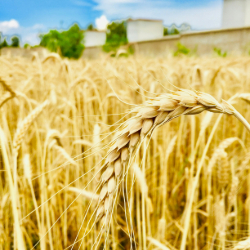
The Middle East and North Africa's arid climate and limited water resources have created a structural dependence on imported wheat. Government wheat tenders in major importing countries serve as important benchmarks for global trade, providing insight into exporter competitiveness, pricing trends, and international demand. Egypt’s subsidized bread program is viewed as a critical component of national food security, helping drive consistent wheat import demand and making the country one of the world’s largest wheat buyers. Russia’s rise as a low-cost wheat exporter has reshaped global trade flows, with many Middle Eastern and North African buyers prioritizing affordable and reliable supplies over geopolitica...



 What You Need to Know Today: New World screwworm is back in the headlines after new cases were found in a hunter-harvested elk in Texas and a beef cow in New Mexico. The detection in wildlife could further complicate containment efforts, as implementing effective biosecurity measures is consid...

 Cattle on Feed Expectations USDA’s monthly Cattle on Feed report that will show cattle inventory statistics as of 1 October will be released tomorrow, 23 October. Analysts’ pre-report consensus estimates are for the total inventory on feed to be 100.3 percent of last year, which imp...

 Key Takeaways: Dry bulk markets remain mixed with Capesize rates turning around from their recent weakness and posting solid gains on improved Chinese demand. Panamax vessels, on the other hand, saw rates decline amid greater tonnage availability in the South Atlantic and falling U.S. Gu...