


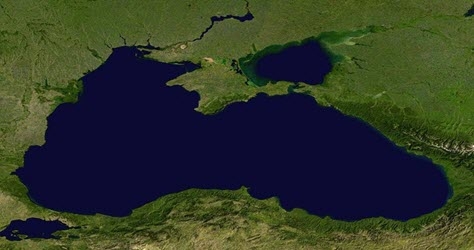
Russian Grain Markets: 31 January-4 February 2022 Wheat prices on the Russian domestic market decreased (due to active demand for wheat from Kazakhstan wheat prices in Siberia grew) while feed barley and corn prices remained high. The ruble strengthened so EXW prices expressed in the U.S. dollar grew. Export duties for wheat slightly decreased, for barley and corn they grew. Meanwhile, export milling wheat average offer price decreased to $321/MT FOB Black Sea. Average purchase price decreased to RUB 16,000/MT CPT-port Black Sea. Feed barley average export price decreased to $292/MT FOB Black Sea; average purchase price grew to RUB 15,600/MT. Feed corn average price remained at $282/MT FOB Black Sea while average purchase prices remained...


 Russian Grain Markets: 29 June-3 July 2026 The new marketing season has officially begun in Russia, although bearish sentiment has been concentrated in the southern regions closest to the Black Sea ports, where export demand has been weakest. Delays in grain deliveries to inland elevators have...
 What You Need to Know Today: The hot, dry weather forecast continues to drive strength in grain futures with corn and soybeans hitting another day of strong gains. Monday’s Crop Progress and Conditions data were in line with market expectations and showed relatively few concerns for the...
 Key Takeaways: The Middle East and North Africa's arid climate and limited water resources have created a structural dependence on imported wheat. Government wheat tenders in major importing countries serve as important benchmarks for global trade, providing insight into exporter competitivene...

From WPI Consulting
Accountability and a comprehensive approach to export programming

WPI’s team helped construct a strategic approach to develop, implement, and track promotional activities in 8 key regions across the globe for an agricultural export association. With continued progress measurement and strategic advisory services from WPI, the association has seen its ROI from investments in promotional programming increase by 44 percent over the past 5 years. Not only does this type of holistic approach to organizational strategy provide measurable results to track and analyze, it fosters top-down and bottom-up organizational accountability.