

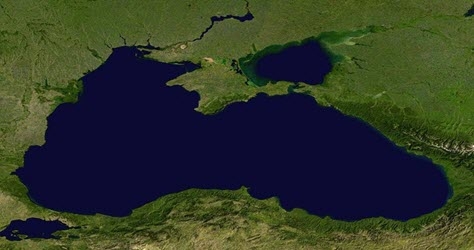
Russian Grains Market: 13-17 June 2022 Russia launched its harvesting campaign which pushed grain prices down, especially in the Southern Federal District. However, there are several factors to review on this market. Even though the first crop harvested is winter barley, all grains remained bearish during the switch of the seasons. There are several reasons behind the bearish market. Ukraine has massive carryover and will be offering grains at a discounted price which will keep the whole Black Sea region on alert. Russia also has a carryover and farmers and traders are in a hurry to get rid of the old crop offering better prices too. A strong Russian ruble pushes the export potential to the limit and export duties which unprecedently went...



 Russian Grain Markets: 29 June-3 July 2026 The new marketing season has officially begun in Russia, although bearish sentiment has been concentrated in the southern regions closest to the Black Sea ports, where export demand has been weakest. Delays in grain deliveries to inland elevators have...
 What You Need to Know Today: The hot, dry weather forecast continues to drive strength in grain futures with corn and soybeans hitting another day of strong gains. Monday’s Crop Progress and Conditions data were in line with market expectations and showed relatively few concerns for the...
 Key Takeaways: The Middle East and North Africa's arid climate and limited water resources have created a structural dependence on imported wheat. Government wheat tenders in major importing countries serve as important benchmarks for global trade, providing insight into exporter competitivene...

From WPI Consulting
Communicating importance of value-added products

Facing increasing pressure to quantify the value of export promotion efforts to investors, a U.S. industry organization retained WPI to develop a quantitative model that better communicated the importance of exports. The resulting model concluded that value-added meat exports contributed $0.45 cents per bushel to the price of corn, increasing support for that sector’s financial support of WPI’s client. In addition to serving the red meat industry with this type of analysis, WPI has generated similar deliverables for the U.S. soybean and poultry/egg industries.