


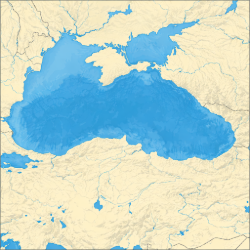
Russian Grain Markets: 22-26 June 2026 The Russian grain market remained volatile during the week as farmers continued to hold old-crop supplies while new-crop availability remained limited. The ruble weakened nearly 5 percent against the U.S. dollar during the week, supporting domestic grain prices, as Black Sea export price indicators continue to serve as the primary benchmark for trade. Harvest has been delayed by unfavorable weather and limited diesel fuel availability following attacks on refineries and fuel terminals. Despite these delays, crop prospects remain favorable, which is expected to pressure prices in the near term. Beginning 1 July, Russia enters the new marketing season, and export quotas will expire, likely improving dema...


 Markets are getting a quarter-end reality check as September comes to a close. Growth, inflation and interest rates remain central to the macro outlook, while tight diesel supplies keep pressure on the cost of moving goods. States are stepping in with relief, but policy changes alone cannot reb...
 Key Takeaways: Russia recently said it would convert existing export terminals in the Baltic and Arctic Seas to handle grain as the Black and Azov Seas remain closed to maritime trade. Futures markets reacted negatively to this news, but does the conversion matter to short-term and long-...
 Key Takeaways: 1 September corn stocks totaled 2.095 billion bushels, 171 million above expectations and 544 million above last year, providing additional cushion for the 2026/27 balance sheet and potentially adding near-term pressure to prices. June-August corn disappearance increased just 10...

From WPI Consulting
Communicating importance of value-added products

Facing increasing pressure to quantify the value of export promotion efforts to investors, a U.S. industry organization retained WPI to develop a quantitative model that better communicated the importance of exports. The resulting model concluded that value-added meat exports contributed $0.45 cents per bushel to the price of corn, increasing support for that sector’s financial support of WPI’s client. In addition to serving the red meat industry with this type of analysis, WPI has generated similar deliverables for the U.S. soybean and poultry/egg industries.