


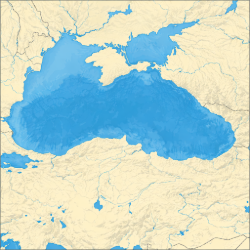
Russian Grain Markets: 6–10 July 2026 New-crop price formation remained underway during the week, with bearish price movement concentrated in southern Russia and the Volga Valley, where harvest begins first and export access is strongest. Price volatility remains elevated across producing regions but should moderate as harvest progresses. Delayed harvesting, however, could allow farmers to capture higher prices if markets strengthen before harvest accelerates. Near-term market sentiment remains bearish because of large carryover stocks, the arrival of the new crop, and weaker global wheat demand. Many key importers are harvesting their own crops before determining import requirements for the new marketing year. Russian analysts lowere...


 What You Need to Know Today: Crude oil prices extended their rally today, supported by several developments, including escalating Houthi attacks on Saudi Arabian oil infrastructure and growing concerns about supply disruptions. The Trump administration is reportedly preparing to remove 50 perc...
 Regional News Dry weather across the UK and Europe is becoming increasingly concerning for the 2027 crops as planting intentions are lowered amid dry soil conditions. Delayed sowing or establishment under adverse conditions could leave crops more vulnerable to frost/freeze events and dise...

From WPI Consulting
Infrastructure investment due diligence
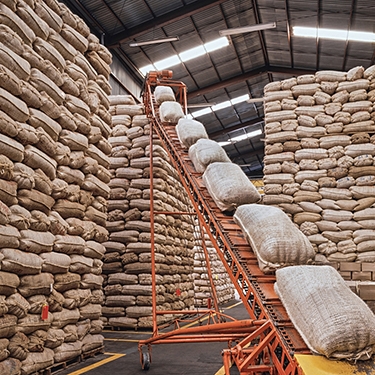
On behalf of a Canadian oilseed processer WPI's team provided market analysis, econometric modeling and financial due diligence in support of a $24 million-dollar investment in a Ukrainian crush plant. Consistent with WPI's findings, local production to supply the plant and the facility's output have expanded exponentially since the investment. WPI has conducted parallel work on behalf of U.S., South American and European clients, both private and public, in the agri-food space.