


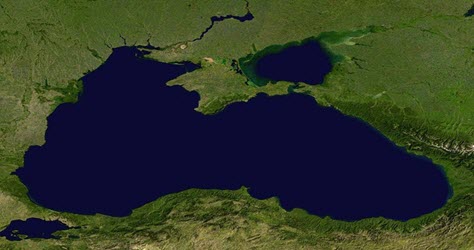
Russian Grain Markets: 28 October – 1 November 2024Russian analysts revised the 2024 Russian crop downwards to 128.8 MMT without newly occupied territories but with Crimea which was occupied a decade ago. This new forecast is down 11 percent from the previous year. Wheat is at 85.6 MMT – down 8 percent, barley down 12 percent at 18.6 MMT, and corn is at 12.2 MMT – down 26.5 percent. Domestic consumption in Russia is estimated at 74.2 MMT versus 74.4 MMT in 2023 which is strange because with more occupied territories you would think you would need to feed more people. At the same time, losses of armed forces in the front in Ukraine are massive and are believed to be hundreds of thousands. The Ministry of Agriculture forecasts the grain...


 What You Need to Know Today: The Federal Reserve held interest rates steady at 3.75 to 4.0 percent Wednesday, with two officials dissenting in favor of a 25-basis-point increase. The Fed upgraded its assessment of economic growth from "solid" to "strong" but adopted a more patient approa...

 Key Takeaways: Expected growth in U.S. soybean crushing capacity and output, driven by biofuel demand, will increase domestic soymeal supplies, with production growth significantly outpacing demand. WPI forecasts soymeal production increasing from 65.8 million short tons in 2026/27 to 70.5 mil...
 Russian Grain Markets: 19–23 October 2026 The Russian grain market continued its recovery during the week, although prices remained volatile across regions. Wheat was notably bullish, while feed barley and corn were slower to appreciate, primarily because of weaker export demand amid logi...

From WPI Consulting
Infrastructure investment due diligence
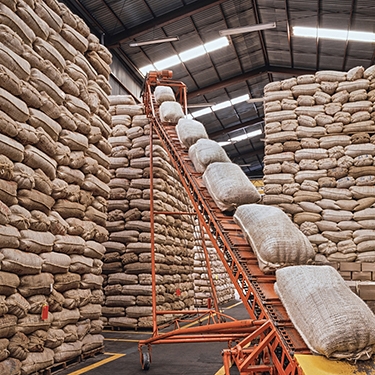
On behalf of a Canadian oilseed processer WPI's team provided market analysis, econometric modeling and financial due diligence in support of a $24 million-dollar investment in a Ukrainian crush plant. Consistent with WPI's findings, local production to supply the plant and the facility's output have expanded exponentially since the investment. WPI has conducted parallel work on behalf of U.S., South American and European clients, both private and public, in the agri-food space.