


Russian Grain Markets: 11–15 December 2023 Russian agriculture has had a difficult year with global sanctions in place creating problems with inputs like seeds, fertilizers, chemicals, spare parts, and western equipment. In an effort to help, the government provided subsidies to farmers and now intervention trading has returned to the market. Last week, the government purchased 79,380 MT of grains of which 41,850 MT was third grade soft milling wheat, 29,160 MT fourth grade milling wheat, and 8,370 MT milling rye. Notably, farmers in the Asian part of the country which is near Kazakhstan are not selling grain to the government because of a better option in Kazakhstan. The rest of country is eagerly trading with the government. The R...


 What You Need to Know Today: End-of-month profit taking sent the CBOT broadly lower, though corn and soybeans managed to post small gains to continue their rallies. Turkey’s foreign ministry claimed to have a plan to ensure safe passage for both Ukrainian and Russian grain vessels via th...
 Developer's Note 24 August 2026: WPI recently completed an exercise that updated the codebase for this app and solved some of the discrepancies between our five-year average calculation and USDA's. There are a few lingering cases where early (late) starts (finishes) to the crop cycle resu...
 Key Takeaways: Corn and soybean prices rallied sharply last week as declining U.S. production expectations collided with strong demand, raising the prospect of tighter supplies and leaving the market with a smaller margin for further yield losses. The USDA’s lower August yield estimates...

From WPI Consulting
Infrastructure investment due diligence
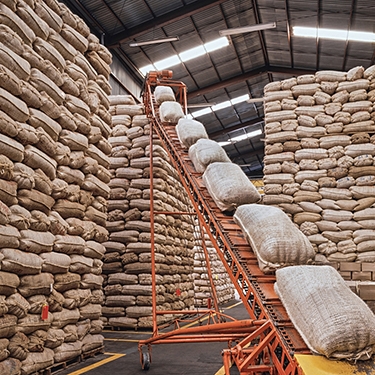
On behalf of a Canadian oilseed processer WPI's team provided market analysis, econometric modeling and financial due diligence in support of a $24 million-dollar investment in a Ukrainian crush plant. Consistent with WPI's findings, local production to supply the plant and the facility's output have expanded exponentially since the investment. WPI has conducted parallel work on behalf of U.S., South American and European clients, both private and public, in the agri-food space.