
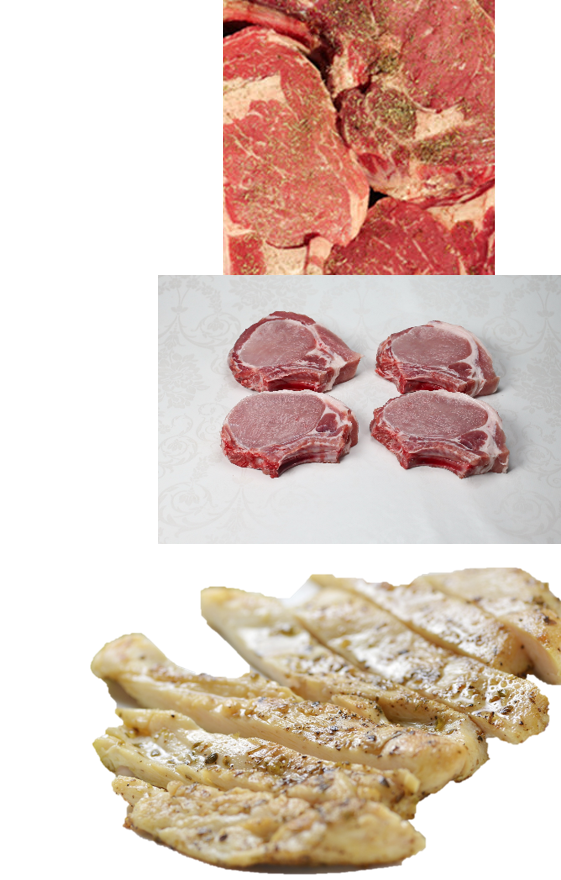
Rabobank says it sees an animal protein production slowdown in 2023, led by beef since it is the downside of the U.S. cattle cycle, but continued expansion in poultry. Part of the problem iT sees is continued high production costs. However, trade demand continues to grow, and surplus stocks are variable and headed lower. This should provide producers with some pricing power, assuming the global economy does not slow too much. Any meaningful expansion in alternative protein products will take years to produce and depend upon being discounted to the real deal. ...



 What You Need to Know Today: There has already been a strong run of flash soybean sales announcements in recent weeks, but more than 1.4 MMT reported this morning is an exceptionally large single-day total with major implications for the market. If the sales to China and unknown destinations w...
 On Friday, at 6:57 AM, President Donald Trump announced, via a social media post, a 90-day window during which up to 300,000 metric tons of product for ground beef could be imported outside of tariff-rate quotas—a move aimed at bringing down costs for American consumers. This is the secon...

From WPI Consulting
Weighing in on strategic realignment

WPI’s team was retained by the governing board of a U.S. industry organization to review a decision, reached by vote, to invest significant assets into the development and management of an export trading company. WPI’s team conducted a formal review of this decision and concluded that the current level of market saturation would limit the benefits of the investment. Based on WPI’s analysis and recommended actions, the board subsequently reversed its decision and undertook a strategic planning effort to identify more impactful investments. On behalf of numerous clients, WPI has not only assisted in identifying strategic paths but also advised their implementation.