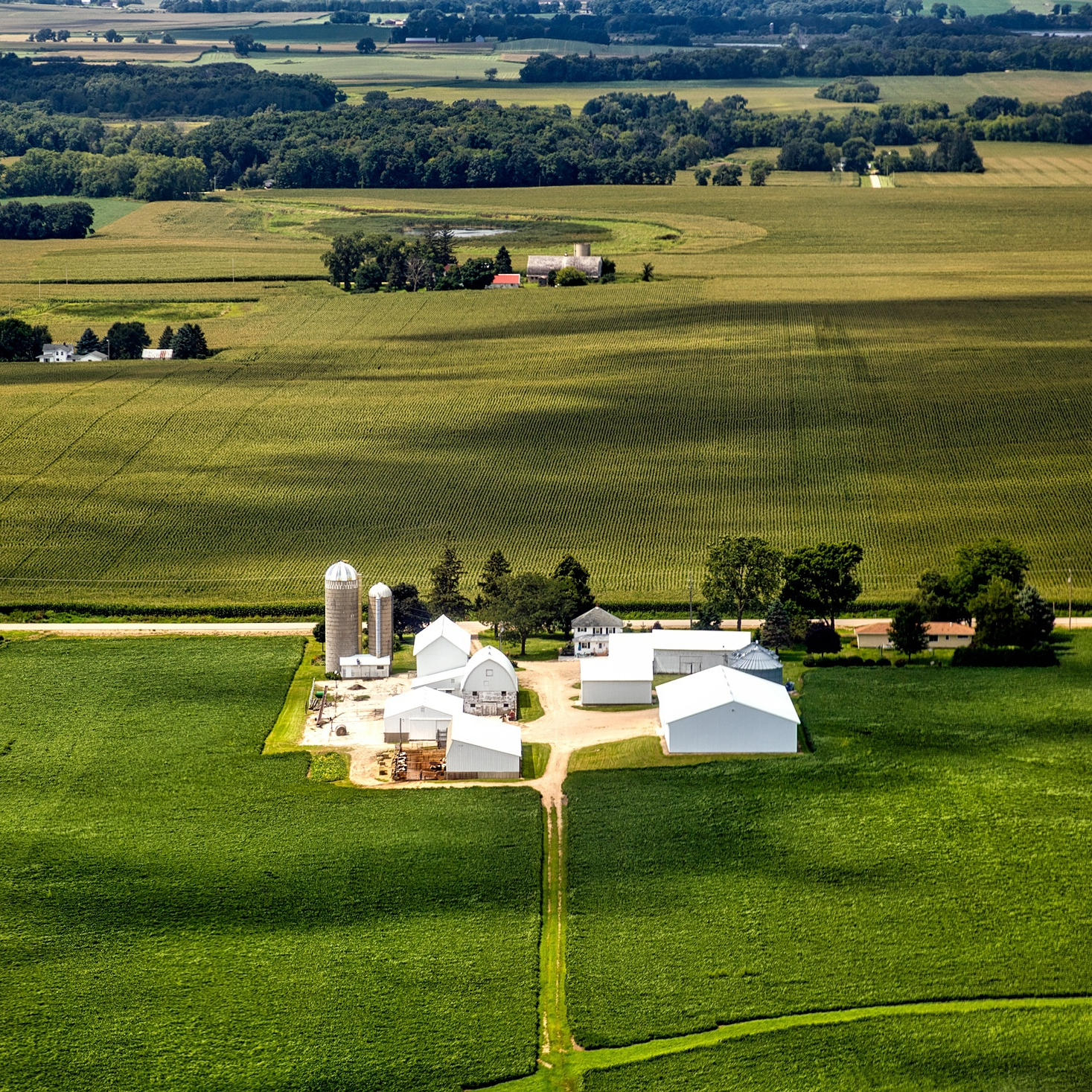
Under the theory of economies of scale, the size of farms, like that of all industries, should increase over time due to improvements in productivity. Farmers themselves understand that the more land they farm, the greater their output and, thus, the larger their potential incomes. Government policies are highly intrusive in agriculture and can distort this dynamic. Often, the social goal is to keep more farmers employed, even at the cost of overall agricultural efficiency. The scale of farms in a country typically correlates with many other societal attributes. Because scale typically means cheaper food and, thus, a lower share of disposable income, societies with larger farms are usually wealthier and have more income for other sectors, s...



 What You Need to Know Today: Grain markets were sharply higher overnight and through the day session as the concerning wet weather pattern persists over the Midwest. Grain traders – and soybean market players in particular – will be closely parsing both what is said and unsaid from...

 Key Takeaways: Higher interest rates increase the cost of financing agricultural production, reducing farm margins without providing any corresponding increase in production or revenue. The financial impact of higher rates varies considerably by operation, with highly leveraged producers and t...

 Last week, the Senate Ag Committee passed the farm bill on a party-line vote upon the return of Senators Mitch McConnell (R-Kentucky) and Tommy Tuberville (R-Alabama), who missed the vote on 6 August (see WPI coverage here) when it failed by a similar party-line vote, 10-11. Democrats held the...

From WPI Consulting
Forecasting developments in production agriculture
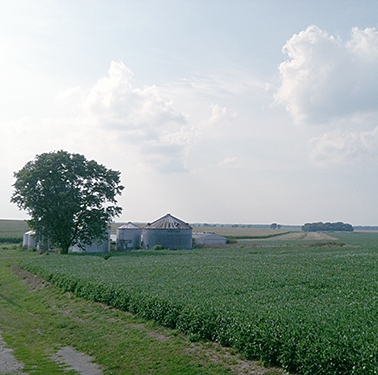
On behalf of a private U.S. agricultural technology provider, WPI’s team generated an econometric model to forecast the movement of concentrated corn production north and west from the traditional U.S. Corn Belt. WPI’s model has subsequently provided quantitative support to a multi-million-dollar investment into short-season corn variety development. WPI’s methodology included a series of interviews with regional grain elevators and seed consultants. Emphasizing outreach and communication with stakeholders who possess intimate sectoral knowledge – on-the-ground insights – is a regular component of WPI’s methodologies, made possible by WPI’s ever-growing network of industry contacts.