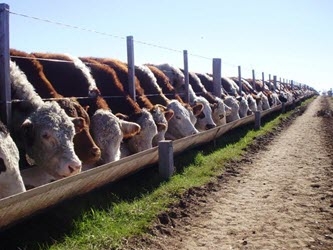
USDA released its monthly Cattle on Feed report today; the inventory of cattle and calves on feed was 11.2 million, 101 percent above August 2021, and in line with expectations. Placements in July were up well above expectations – the consensus forecast was 99 percent of last year, and the highest forecast was 101 percent, below the actual. Marketings came in below forecasts, adding a bearish tone to the report.
This is the second highest total on feed for August on record making 2022 a big year for inventory in feed lots.
The average daily marketings in July were 86,905 based on 21 days, just slightly below June at 87,000 based on 22 slaughter days, and up from July 2021 at 86,318 based on 22 days. Marketings...



 What You Need to Know Today: Markets got a surprise with a corn yield of 181.2 bushels/acre in the October WASDE, above the average estimate of 177.6 bushels/acre and up from USDA’s September estimate of 178.5 bushels/acre. Although stronger demand is expected to absorb some of the addit...

 Key Takeaways: On Friday afternoon, President Trump announced that Russia will “immediately supply over 300,000 Tons of Diesel Fuel” to the United States. The deal, typical of this administration, is light on details but promises an additional 500,000 tons in November and 1 m...
 The USDA has lowered its 2026 red meat production forecasts slightly while forecasting a slight increase in broiler production. Beef is now projected at 24.802 billion pounds, 75 million pounds less than in September. Cow slaughter is expected to be up; however, this will be offset by lower ste...