
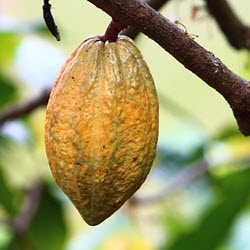
Given their inelasticity, staple agricultural commodities are a poor indicator of economic health. However, luxury food items like cocoa may be a better indicator of the world’s recovery from the coronavirus. The December contract was up about 2 percent in today’s trading but remains mired down at contract lows. It initially fell 20.8 percent during the February/March initial stages of the global crisis but dipped further this month on fears of the virus’s durability. By comparison, over that same period corn is down 13.7 percent, SRW is down 4.2 percent and soybeans are down 2.8 percent. The COVID outbreak and economic recession hit after years of cocoa production increases needed to meet the demands of a richer wo...



 Key Takeaways: Lamb and goat tariffs protect market share, not prices. The flock is too small to respond quickly, and the burden depends on origin: 12.5 percent on Australia and New Zealand, reportedly 37.5 percent plus the base rate on China. Wool is most exposed via the export side. The U.S...

From WPI Consulting
Weighing in on strategic realignment

WPI’s team was retained by the governing board of a U.S. industry organization to review a decision, reached by vote, to invest significant assets into the development and management of an export trading company. WPI’s team conducted a formal review of this decision and concluded that the current level of market saturation would limit the benefits of the investment. Based on WPI’s analysis and recommended actions, the board subsequently reversed its decision and undertook a strategic planning effort to identify more impactful investments. On behalf of numerous clients, WPI has not only assisted in identifying strategic paths but also advised their implementation.