
Europe is facing an energy crisis this coming winter and the food situation could be bad as well. This summer’s drought, reduced corn and sunflower oil imports from Ukraine, and the fact that energy prices are tied to food could make for an equally bad situation. This is exacerbated by the fact that caloric consumption increases in winter by around 86 kilocalories/day, depending on activity and the amount of shivering to keep warm. An active life in a cold winter increases caloric needs by about 3.4 percent. Meanwhile, the average age of Europeans has been increasing with a fifth of the population now over 65 years of age. That has reduced overall average caloric intake by 0.05 percent. ...



 On Friday, at 6:57 AM, President Donald Trump announced, via a social media post, a 90-day window during which up to 300,000 metric tons of product for ground beef could be imported outside of tariff-rate quotas—a move aimed at bringing down costs for American consumers. This is the secon...

 In agriculture and food processing, we think a lot about infrastructure: transportation and storage, processing and packaging, distribution and delivery. It is a physical system of roads, railroads, and rivers; concrete and steel storage; processing plants, warehouses, and machinery; and, event...
 Key Takeaways: The Panama Canal’s draft restrictions and decreasing rainfall outlook are driving big moves in dry bulk markets this week. Panamax markets are sharply lower as the economics of moving freight across the Canal are deteriorating rapidly, leading to support in Supramax vessels...
 Key Takeaways: Weather conditions in Europe have continued to deteriorate following both the EU MARS’ latest balance sheet update and the August WASDE, leaving “official” estimates lagging behind the reality observed on the ground. WPI’s models anticipate a 4 perc...

From WPI Consulting
Infrastructure investment due diligence
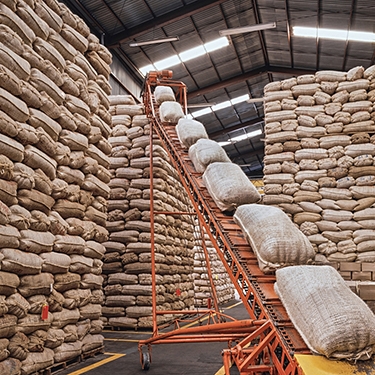
On behalf of a Canadian oilseed processer WPI's team provided market analysis, econometric modeling and financial due diligence in support of a $24 million-dollar investment in a Ukrainian crush plant. Consistent with WPI's findings, local production to supply the plant and the facility's output have expanded exponentially since the investment. WPI has conducted parallel work on behalf of U.S., South American and European clients, both private and public, in the agri-food space.