
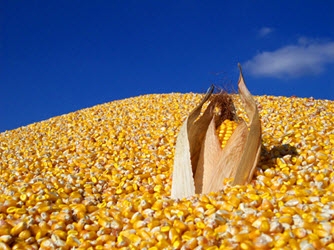
As surplus corn stocks begin to build, U.S. farmers start to think about price and their return on investment. This is likely why the June USDA crop plantings report reflected a 5-million-acre reduction in corn from the March planting intentions report. While rising corn ending stocks tend to cause an inverse reduction in price, the reaction is far more pronounced when surplus stocks fall. Between 1982 and 1983, corn ending stocks fell by 71 percent and price jumped by 22 percent. Between 2009 and 2012, surplus stocks fell by 51 percent and price climbed by 97 percent. As that trend reversed between 2012 and 2018, stocks climbing by 170 percent, price fell just 47 percent. Basically, fear of losses outperform opportunity for gains. B...



From WPI Consulting
Communicating importance of value-added products

Facing increasing pressure to quantify the value of export promotion efforts to investors, a U.S. industry organization retained WPI to develop a quantitative model that better communicated the importance of exports. The resulting model concluded that value-added meat exports contributed $0.45 cents per bushel to the price of corn, increasing support for that sector’s financial support of WPI’s client. In addition to serving the red meat industry with this type of analysis, WPI has generated similar deliverables for the U.S. soybean and poultry/egg industries.