Key Takeaways:
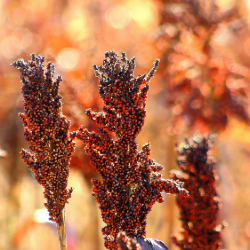
Drought remains a major threat to global agricultural production, particularly in regions with limited rainfall and growing water scarcity. Commercially available drought-tolerant traits in corn, soybeans, and wheat have generally delivered modest yield improvements, limiting their impact on drought risk. Sorghum, millet, barley, and cassava possess natural drought-resistant characteristics that make them valuable alternatives in water-stressed regions. Expanding the use of naturally drought-adapted crops may prove more effective than relying solely on biotechnology to manage future drought risk.
Drought and Its Impact on Agriculture A drought is a prolonged period of below-average precipitation that results in a shortage o...


 What You Need to Know Today: The September Cattle on Feed report was strongly bullish, with both the 1 September on-feed inventory and August placements coming in well below average expectations and below the bottom of their respective pre-report estimate ranges. China continues to buy U...


 USDA’s September cattle on feed report was released Friday, with the total number of cattle in feedlots with 1,000 head or more capacity amounting to 11.2 million head, 101 percent of last year. Placements dropped in August to their lowest total for the month since records began in 1996...
 Key Takeaways: The U.S. herd is stabilizing, but growth remains modest. Total goat inventory rose 1 percent in 2026, while meat-goat numbers increased 2 percent, which is not enough to materially reduce import dependence. Domestic slaughter is rising from a low base. Commercial slaughter incre...