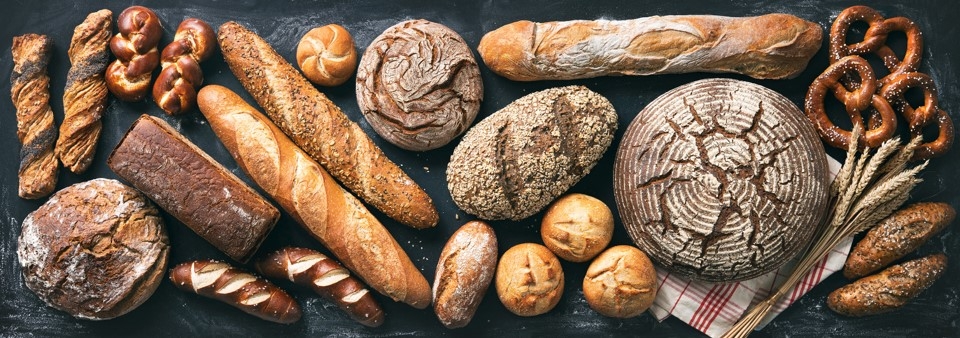
Bread is a critical basic food in Egypt and Russia has been a prime supplier. But Russian wheat prices have been rising, and now two shiploads of the commodity are delayed departing for Egypt. President Abdel Fattah al-Sisi has a tight grip over the military and the government, but war on the border with Gaza and rising food prices make for a delicate situation. The government subsidies the price of wheat, rice, and sugar for a large portion of the population. The decline in the value of the Egyptian pound and rising world agricultural commodity prices makes the subsidies more expensive. In FY 2023/24, Egypt’s food subsidies as a share of the national budget will rise 42 percent. The national debt is rising, though it is foreca...



 Key Takeaways: On Friday afternoon, President Trump announced that Russia will “immediately supply over 300,000 Tons of Diesel Fuel” to the United States. The deal, typical of this administration, is light on details but promises an additional 500,000 tons in November and 1 m...


 The USDA has lowered its 2026 red meat production forecasts slightly while forecasting a slight increase in broiler production. Beef is now projected at 24.802 billion pounds, 75 million pounds less than in September. Cow slaughter is expected to be up; however, this will be offset by lower ste...
 The Trump import plan for 300,000 MT of beef supplies used for ground beef, i.e. lean trim, from September through November has, according to Secretary Brooke Rollins, brought some relief to beef prices. The Executive Order states that the Secretary of Agriculture will analyze and review the ma...

 Key Takeaways: Lamb and goat tariffs protect market share, not prices. The flock is too small to respond quickly, and the burden depends on origin: 12.5 percent on Australia and New Zealand, reportedly 37.5 percent plus the base rate on China. Wool is most exposed via the export side. The U.S...

From WPI Consulting
Infrastructure investment due diligence
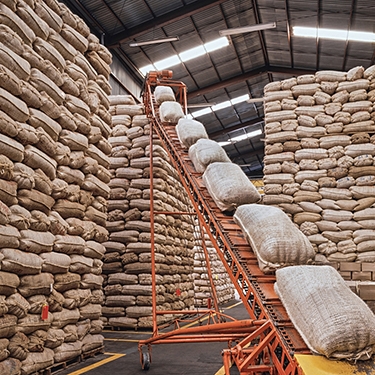
On behalf of a Canadian oilseed processer WPI's team provided market analysis, econometric modeling and financial due diligence in support of a $24 million-dollar investment in a Ukrainian crush plant. Consistent with WPI's findings, local production to supply the plant and the facility's output have expanded exponentially since the investment. WPI has conducted parallel work on behalf of U.S., South American and European clients, both private and public, in the agri-food space.