
As part of its witch hunt for unfair market practices, the EU Parliament’s AGRI Committee requested a study of the major agricultural commodity trading companies and their impacts. The study may inform populists in the U.S. that also see consolidated industries as inherently harmful, but the bottom line for policymakers is what can they logically do about such concerns. Lawmakers, especially in Europe, should heed this week’s warning by Portuguese Foreign Minister Paulo Rangel who said, "Europe has a cultural tendency to over-regulate, which is naturally a disadvantage. We need balance, it's always a question of balance, and we need to accommodate both [technology development and democratic values and human rights]."Oligopoly: The rep...



 The Trump import plan for 300,000 MT of beef supplies used for ground beef, i.e. lean trim, from September through November has, according to Secretary Brooke Rollins, brought some relief to beef prices. The Executive Order states that the Secretary of Agriculture will analyze and review the ma...

 Key Takeaways: Lamb and goat tariffs protect market share, not prices. The flock is too small to respond quickly, and the burden depends on origin: 12.5 percent on Australia and New Zealand, reportedly 37.5 percent plus the base rate on China. Wool is most exposed via the export side. The U.S...
 Key Takeaways: Dry bulk markets are mixed this week with the Capesize sector falling on the demand slump stemming from China’s Golden Week holiday while Panamax and smaller vessel class rates remain firm. The Atlantic’s first hurricane of the season, Hurricane Isaias, intensi...


 Key Takeaways: Corn prices will see support in 2026/27 and likely average $5.11/bushel for farm-gate values across the marketing year. Support for corn values comes from an 8 percent year-over-year reduction in supplies that is only partially offset by a 2 percent reduction in total use. Soybe...

From WPI Consulting
Forecasting developments in production agriculture
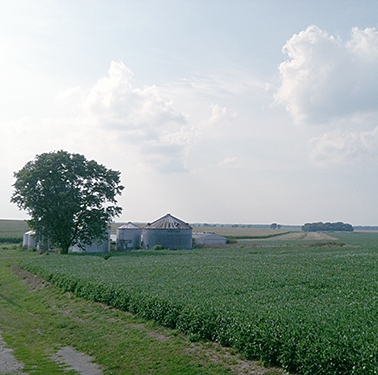
On behalf of a private U.S. agricultural technology provider, WPI’s team generated an econometric model to forecast the movement of concentrated corn production north and west from the traditional U.S. Corn Belt. WPI’s model has subsequently provided quantitative support to a multi-million-dollar investment into short-season corn variety development. WPI’s methodology included a series of interviews with regional grain elevators and seed consultants. Emphasizing outreach and communication with stakeholders who possess intimate sectoral knowledge – on-the-ground insights – is a regular component of WPI’s methodologies, made possible by WPI’s ever-growing network of industry contacts.