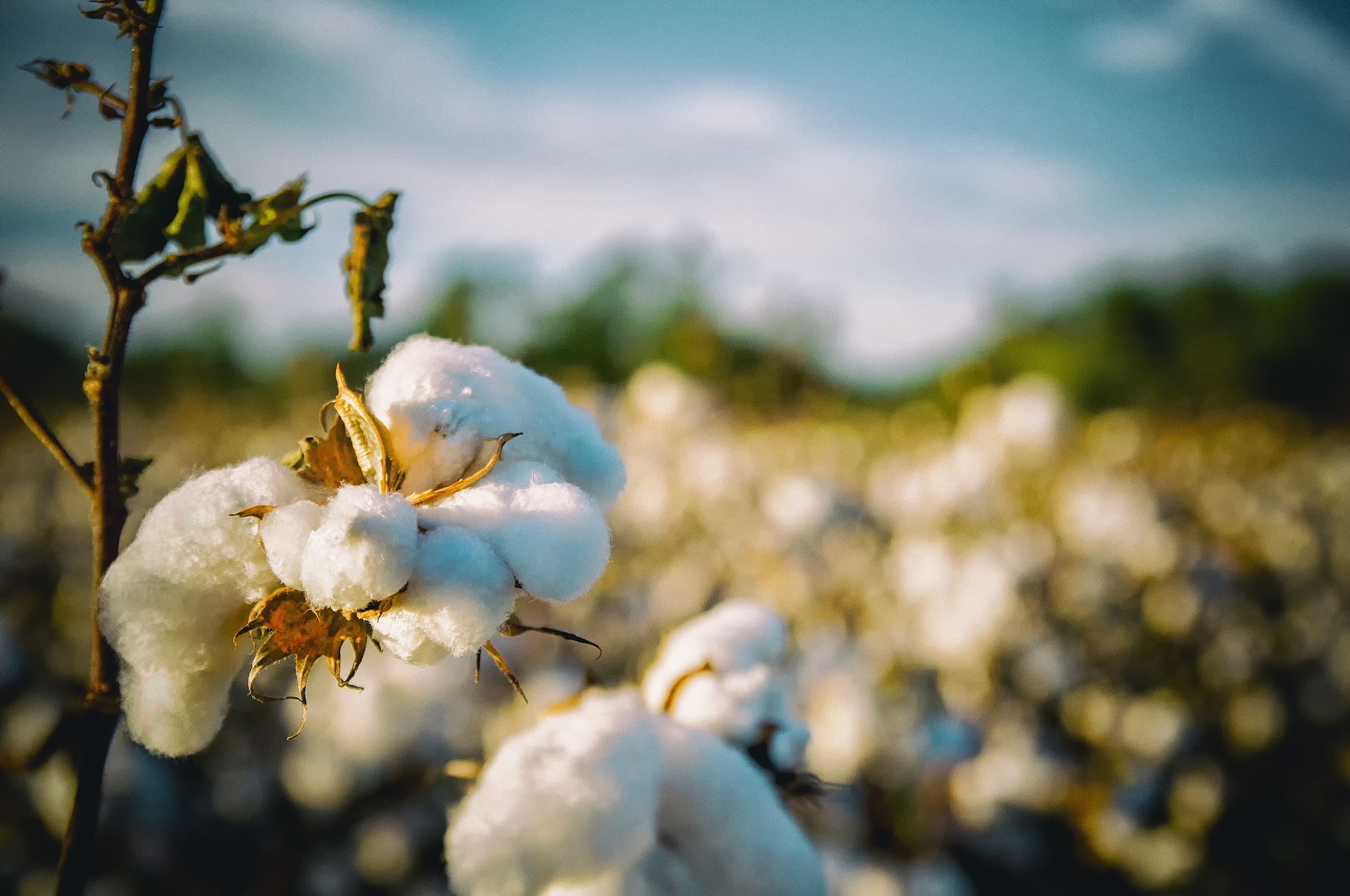
Cotton prices have rallied 35 percent since September as it tries to keep pace with corn and soybeans in the battle for acres this spring. Unlike dryland wheat, land that can grow cotton can also profitably produce corn and soybeans. Cotton requires 200 percent more chemical usage to produce than corn and soybeans. It is by contrast a non-food commodity. The production and consumption of meat has become controversial, both for health and environment reasons, and there is a push to replace animals with plant-based protein and cell-based muscle tissue production. Unlike meat, substitutes for cotton have been in use for many decades. Most are derived from petroleum (polyester, nylon, and polypropylene), but there are other natural subst...



 What You Need to Know Today: Markets got a surprise with a corn yield of 181.2 bushels/acre in the October WASDE, above the average estimate of 177.6 bushels/acre and up from USDA’s September estimate of 178.5 bushels/acre. Although stronger demand is expected to absorb some of the addit...

 Key Takeaways: On Friday afternoon, President Trump announced that Russia will “immediately supply over 300,000 Tons of Diesel Fuel” to the United States. The deal, typical of this administration, is light on details but promises an additional 500,000 tons in November and 1 m...

 The USDA has lowered its 2026 red meat production forecasts slightly while forecasting a slight increase in broiler production. Beef is now projected at 24.802 billion pounds, 75 million pounds less than in September. Cow slaughter is expected to be up; however, this will be offset by lower ste...

From WPI Consulting
Accountability and a comprehensive approach to export programming

WPI’s team helped construct a strategic approach to develop, implement, and track promotional activities in 8 key regions across the globe for an agricultural export association. With continued progress measurement and strategic advisory services from WPI, the association has seen its ROI from investments in promotional programming increase by 44 percent over the past 5 years. Not only does this type of holistic approach to organizational strategy provide measurable results to track and analyze, it fosters top-down and bottom-up organizational accountability.