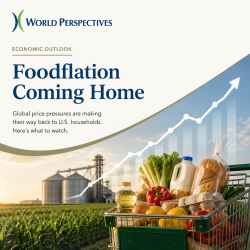
Since the closure of the Strait of Hormuz in February 2026, energy markets have experienced significant disruptions. Crude oil, diesel fuel, and other petroleum products rose sharply as traders responded to uncertainty in one of the world's most important shipping corridors. The question for food manufacturers, retailers, and consumers is straightforward: have these higher energy prices begun to affect food inflation? The first signs may already be visible. The Consumer Price Index for All Urban Consumers (CPI-U) increased sharply in March and April 2026. More notable for the food industry, the CPI Food at Home index increased nearly 0.7 percent in April, its largest monthly increase since the food-price shock that followed Russia's invasio...



 What You Need to Know Today: U.S. corn harvest is now 88 percent complete, compared with 90 percent at this time last year and the five-year average of 92 percent. Soybean harvest has reached 96 percent, ahead of last year's 93 percent and the five-year average of 95 percent. Meanwhile, winter...

 The AI boom – as in computing “artificial intelligence” … not pesticide “active ingredient,” or livestock breeding “artificial insemination” – has been a major driver of GDP and the economy over the past year, accounting for an average cont...

From WPI Consulting
Weighing in on strategic realignment

WPI’s team was retained by the governing board of a U.S. industry organization to review a decision, reached by vote, to invest significant assets into the development and management of an export trading company. WPI’s team conducted a formal review of this decision and concluded that the current level of market saturation would limit the benefits of the investment. Based on WPI’s analysis and recommended actions, the board subsequently reversed its decision and undertook a strategic planning effort to identify more impactful investments. On behalf of numerous clients, WPI has not only assisted in identifying strategic paths but also advised their implementation.