
The Environmental Working Group (EWG) correctly asserts in its new analysis, "Feeding the World – Without GMOs," that it is "possible" to feed the growing world population without GMOs, but that is only in theory and ignores several fundamental hurdles.The Environmental Working Group (EWG) correctly asserts in its new analysis, "Feeding the World – Without GMOs," that it is "possible" to feed the growing world population without GMOs, but that is only in theory and ignores several fundamental hurdles.The EWG is right that the real cause of world hunger is poverty, although that is a dynamic that has proven difficult to solve, especially when so many organizations think that simply pontificating about it will make it disappear. Yes, providin...



 Key Takeaways: The latest UN data shows solid progress reducing global hunger and food insecurity. The geography of hunger-affected people has shifted substantially, however, and Africa is now the most affected region. To understand why hunger patterns have shifted and what policy option...
 Key Takeaways: Persistent labor shortages are increasing operational challenges and costs across U.S. agriculture, particularly in labor-intensive sectors such as specialty crops, dairy, and meat processing. Immigrant workers, including H-2A employees, remain essential to the agricultural work...


 Key Takeaways: New Mexico’s Clean Transportation Fuel Program expands demand for low-carbon fuels and creates another market for renewable feedstocks, adding incremental pressure to already limited supplies of lower-carbon inputs. Growing competition for waste-based feedstocks such as an...


 Key Takeaways: Russia’s diesel export ban is tightening global fuel supplies and increasing dependence on alternative exporters. Limited refining capacity and logistical constraints make diesel markets especially sensitive to supply disruptions. Diesel supply disruptions are more difficu...

From WPI Consulting
Forecasting developments in production agriculture
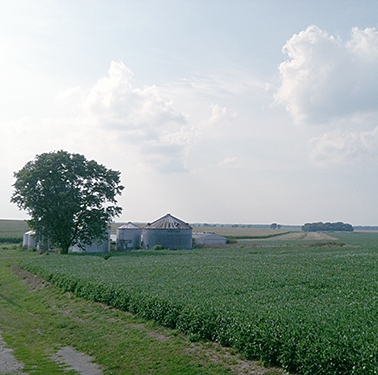
On behalf of a private U.S. agricultural technology provider, WPI’s team generated an econometric model to forecast the movement of concentrated corn production north and west from the traditional U.S. Corn Belt. WPI’s model has subsequently provided quantitative support to a multi-million-dollar investment into short-season corn variety development. WPI’s methodology included a series of interviews with regional grain elevators and seed consultants. Emphasizing outreach and communication with stakeholders who possess intimate sectoral knowledge – on-the-ground insights – is a regular component of WPI’s methodologies, made possible by WPI’s ever-growing network of industry contacts.