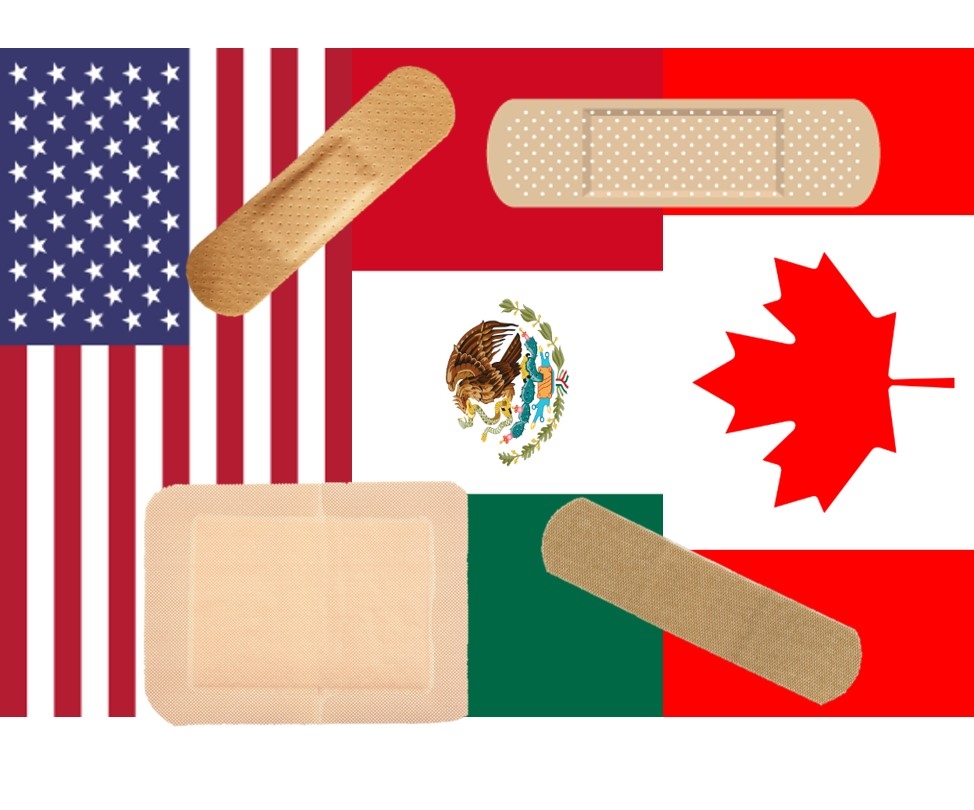
India’s Opportunity Sometime next year India will promulgate its next five-year Foreign Trade Policy (FTP). Based on the past five years, India has been operating an anti-trade policy. Average tariffs on industrial goods have risen from an average 13.3 percent to 17.6 percent, and in agriculture the rise has been from 36.3 percent to 43.02 percent. Worse for India’s trading partners has been the uncertainty caused by constant changes in applied tariffs with a high bound tariff ceiling. Then there has been the addition of the GST, the IGST levy, the “additional duties” and the “special duties.” Around 70 percent of imports are impacted, all in the goal of self-sufficiency. Meanwhile, its public sto...



 What You Need to Know Today: The September Cattle on Feed report was strongly bullish, with both the 1 September on-feed inventory and August placements coming in well below average expectations and below the bottom of their respective pre-report estimate ranges. China continues to buy U...


 USDA’s September cattle on feed report was released Friday, with the total number of cattle in feedlots with 1,000 head or more capacity amounting to 11.2 million head, 101 percent of last year. Placements dropped in August to their lowest total for the month since records began in 1996...
 Key Takeaways: The U.S. herd is stabilizing, but growth remains modest. Total goat inventory rose 1 percent in 2026, while meat-goat numbers increased 2 percent, which is not enough to materially reduce import dependence. Domestic slaughter is rising from a low base. Commercial slaughter incre...

From WPI Consulting
Forecasting developments in production agriculture
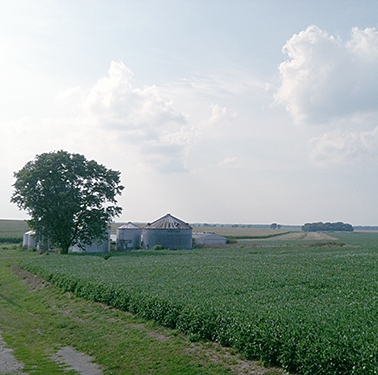
On behalf of a private U.S. agricultural technology provider, WPI’s team generated an econometric model to forecast the movement of concentrated corn production north and west from the traditional U.S. Corn Belt. WPI’s model has subsequently provided quantitative support to a multi-million-dollar investment into short-season corn variety development. WPI’s methodology included a series of interviews with regional grain elevators and seed consultants. Emphasizing outreach and communication with stakeholders who possess intimate sectoral knowledge – on-the-ground insights – is a regular component of WPI’s methodologies, made possible by WPI’s ever-growing network of industry contacts.