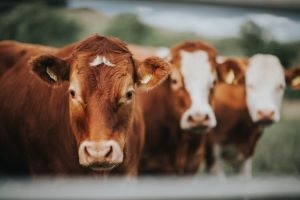
The 1985 farm bill created the whole herd buyout program in response to falling milk prices. In Ireland, a potential buyout program is being considered to address climate change. The two programs are different in many respects – one was to adjust the market, the other is to help achieve environmental goals, but on the other hand, both are similar in a sense in that they are major interventions into the market that did (in the US) and will (in the EU) have unintended consequences. Markets, like nature, abhor a vacuum. Under the U.S. whole herd buyout – officially known as the Dairy Termination Program (DTP) – the goal was to cut milk production by 9 percent (12 billion pounds at the time). It began in April 198...



 Key Takeaways: On Friday afternoon, President Trump announced that Russia will “immediately supply over 300,000 Tons of Diesel Fuel” to the United States. The deal, typical of this administration, is light on details but promises an additional 500,000 tons in November and 1 m...


From WPI Consulting
Forecasting developments in production agriculture
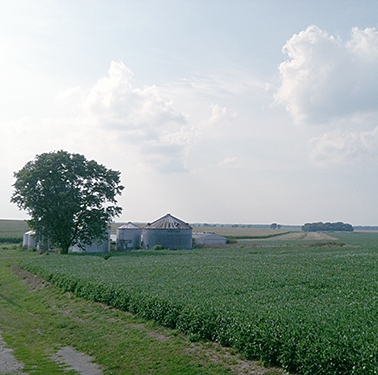
On behalf of a private U.S. agricultural technology provider, WPI’s team generated an econometric model to forecast the movement of concentrated corn production north and west from the traditional U.S. Corn Belt. WPI’s model has subsequently provided quantitative support to a multi-million-dollar investment into short-season corn variety development. WPI’s methodology included a series of interviews with regional grain elevators and seed consultants. Emphasizing outreach and communication with stakeholders who possess intimate sectoral knowledge – on-the-ground insights – is a regular component of WPI’s methodologies, made possible by WPI’s ever-growing network of industry contacts.