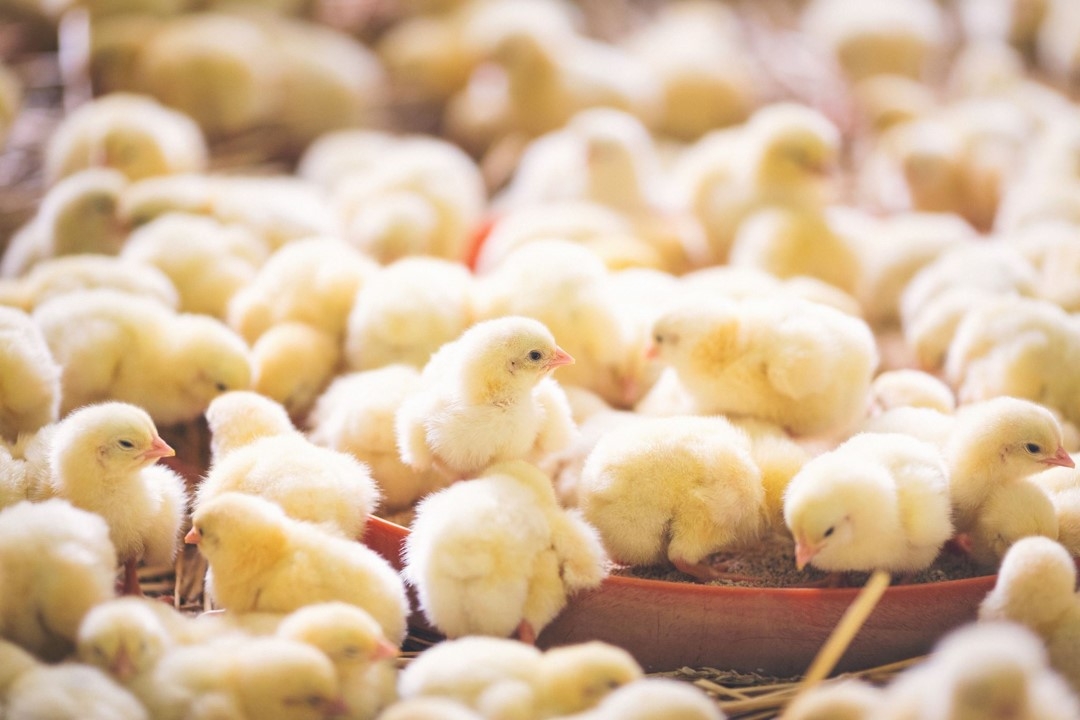
Hatcheries set 242.69 million eggs in incubators during the week ending 28 September, up 6.1 percent from a year ago. So far this year, egg sets are up 1.9 percent over last year, and to date through the second half of the year are up 3.5 percent.
Last year, eggs set started trendng lower in July as integrators managed production through October. This year, expansion has continued, though there are indications of some seasonal slow down. Despite the higher egg sets, hatchabilty remains a persistent problem; last week hatchablity was 79.8 percent. Hatchability is calculated by dividing chicks hatched during the week by eggs set three weeks earlier. Rates have slumped since 2021; prior to that hatchabiliy typically ran between 81 and 82 pe...



 What You Need to Know Today: There has already been a strong run of flash soybean sales announcements in recent weeks, but more than 1.4 MMT reported this morning is an exceptionally large single-day total with major implications for the market. If the sales to China and unknown destinations w...
 On Friday, at 6:57 AM, President Donald Trump announced, via a social media post, a 90-day window during which up to 300,000 metric tons of product for ground beef could be imported outside of tariff-rate quotas—a move aimed at bringing down costs for American consumers. This is the secon...