


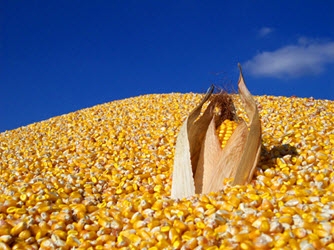
USDA’s Office of the Chief Economist issues annually a long-term projection of its expectations for the major crops. Its latest forecast was released today. The advantage to such projections is that their accuracy is highly dubious and so the recriminations are few, at the same time the effort at accuracy should improve over time based on more data points and refinements to the algorithms. Looking at the forecast for ending stocks for corn, wheat, and soybeans in MY 2020/21, the estimate for corn is more volatile over time than those made for wheat and soybeans. Estimates for 2020/21 made back in 2013 were likely colored by the supply shortages just experienced in 2009, whereas estimates made in 2018 and 2019 were seen th...



From WPI Consulting
Forecasting developments in production agriculture
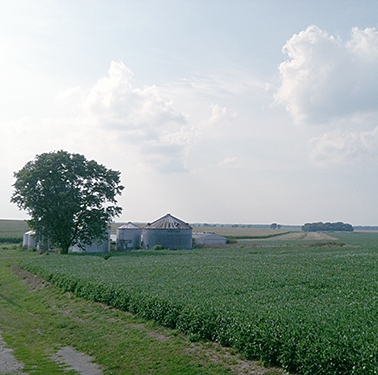
On behalf of a private U.S. agricultural technology provider, WPI’s team generated an econometric model to forecast the movement of concentrated corn production north and west from the traditional U.S. Corn Belt. WPI’s model has subsequently provided quantitative support to a multi-million-dollar investment into short-season corn variety development. WPI’s methodology included a series of interviews with regional grain elevators and seed consultants. Emphasizing outreach and communication with stakeholders who possess intimate sectoral knowledge – on-the-ground insights – is a regular component of WPI’s methodologies, made possible by WPI’s ever-growing network of industry contacts.