


The CBOT largely continued Friday’s Russia-induced rally with help from another weekend of terrible weather for crops in Argentina. Soybeans and soymeal started out strong Sunday night and pushed higher with corn and wheat in tow. That dynamic changed through the day session, however, as the soybean rally faded and corn and wheat futures pushed higher. Wheat futures continue to see support from short-covering and talk about a smaller global wheat crop in 2023 (thanks largely to Russian production). Even livestock futures got in on the rally with cattle and hog markets posting strong gains. The CFTC’s data release is still delayed but speculation is that funds are now even wheat futures or slightly long and are continuing to enla...


 What You Need to Know Today: Markets got a surprise with a corn yield of 181.2 bushels/acre in the October WASDE, above the average estimate of 177.6 bushels/acre and up from USDA’s September estimate of 178.5 bushels/acre. Although stronger demand is expected to absorb some of the addit...

 Key Takeaways: On Friday afternoon, President Trump announced that Russia will “immediately supply over 300,000 Tons of Diesel Fuel” to the United States. The deal, typical of this administration, is light on details but promises an additional 500,000 tons in November and 1 m...

 The USDA has lowered its 2026 red meat production forecasts slightly while forecasting a slight increase in broiler production. Beef is now projected at 24.802 billion pounds, 75 million pounds less than in September. Cow slaughter is expected to be up; however, this will be offset by lower ste...

From WPI Consulting
Infrastructure investment due diligence
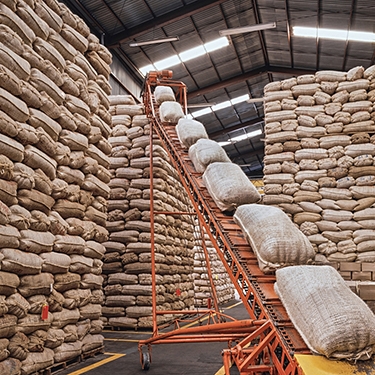
On behalf of a Canadian oilseed processer WPI's team provided market analysis, econometric modeling and financial due diligence in support of a $24 million-dollar investment in a Ukrainian crush plant. Consistent with WPI's findings, local production to supply the plant and the facility's output have expanded exponentially since the investment. WPI has conducted parallel work on behalf of U.S., South American and European clients, both private and public, in the agri-food space.