



Monday’s CBOT trade quickly erased any hints of weakness that emerged during Friday’s post-WASDE selloff. The WASDE itself was – in WPI’s view – either bearish or neutral the major commodities, but futures didn’t see it that way on Monday. The soybean and soymeal markets took the lead and quickly moved higher and erased Friday’s losses, with optimism stemming from President Trump’s weekend comments that hinted at continued trade agreement progress with China. Too, there were rumors that China was in the market for U.S. soybeans over the weekend following conversations with the Trump team. The strength in soybeans spilled over into wheat, where markets posted strong rallies above key tech...


 What You Need to Know Today: The hot, dry weather forecast continues to drive strength in grain futures with corn and soybeans hitting another day of strong gains. Monday’s Crop Progress and Conditions data were in line with market expectations and showed relatively few concerns for the...

 Yesterday we wrote about the Q1 GDP numbers and the June employment reports in an article entitled Real GDP for Q1 Relying on AI Buildout, Held Back by Consumer Spending. That article mentioned that consumer spending had become a drag on GDP. Nonetheless, real GDP in Q1 was revised upward to 2...
 Key Takeaways: The Middle East and North Africa's arid climate and limited water resources have created a structural dependence on imported wheat. Government wheat tenders in major importing countries serve as important benchmarks for global trade, providing insight into exporter competitivene...

From WPI Consulting
Forecasting developments in production agriculture
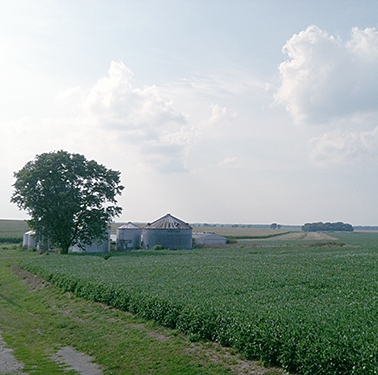
On behalf of a private U.S. agricultural technology provider, WPI’s team generated an econometric model to forecast the movement of concentrated corn production north and west from the traditional U.S. Corn Belt. WPI’s model has subsequently provided quantitative support to a multi-million-dollar investment into short-season corn variety development. WPI’s methodology included a series of interviews with regional grain elevators and seed consultants. Emphasizing outreach and communication with stakeholders who possess intimate sectoral knowledge – on-the-ground insights – is a regular component of WPI’s methodologies, made possible by WPI’s ever-growing network of industry contacts.