



The CBOT was mostly higher heading into the three-day holiday weekend with dryness and drought concerns for the Corn Belt pushing corn futures higher and helping create spillover support for wheat. Soybeans finally got in on this week’s upside action as well, though the day’s trade was quiet and seemed mostly a function of short covering and position liquidation heading into the weekend. There was little fresh news and traders were mostly focused on the weather outlook and export prospects for the major markets. Funds were net buyers in corn, soybeans, and soymeal for the day but were flat wheat and soyoil. The weekly CFTC report offered a bit of a surprise is it showed funds still aggressively liquidating corn, wheat, and soy...


 What You Need to Know Today: Markets got a surprise with a corn yield of 181.2 bushels/acre in the October WASDE, above the average estimate of 177.6 bushels/acre and up from USDA’s September estimate of 178.5 bushels/acre. Although stronger demand is expected to absorb some of the addit...

 Key Takeaways: On Friday afternoon, President Trump announced that Russia will “immediately supply over 300,000 Tons of Diesel Fuel” to the United States. The deal, typical of this administration, is light on details but promises an additional 500,000 tons in November and 1 m...

 The USDA has lowered its 2026 red meat production forecasts slightly while forecasting a slight increase in broiler production. Beef is now projected at 24.802 billion pounds, 75 million pounds less than in September. Cow slaughter is expected to be up; however, this will be offset by lower ste...

From WPI Consulting
Forecasting developments in production agriculture
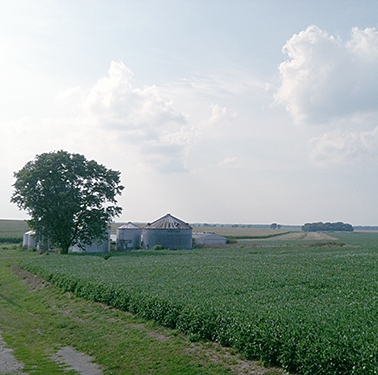
On behalf of a private U.S. agricultural technology provider, WPI’s team generated an econometric model to forecast the movement of concentrated corn production north and west from the traditional U.S. Corn Belt. WPI’s model has subsequently provided quantitative support to a multi-million-dollar investment into short-season corn variety development. WPI’s methodology included a series of interviews with regional grain elevators and seed consultants. Emphasizing outreach and communication with stakeholders who possess intimate sectoral knowledge – on-the-ground insights – is a regular component of WPI’s methodologies, made possible by WPI’s ever-growing network of industry contacts.