



Monday’s trade was all about the weekend, which was hot and dry in the U.S. Midwest and featured more attacks by Russia on Ukrainian infrastructure. That alone would have been enough to send markets into rally mode, but it was coupled with a third bullish factor – an extremely hot and dry forecast for the U.S. this coming week. The excessive heat and dryness come as the corn crop is finishing pollination – a key period for yield definition – and as the bulk of the soybean crop is about to start pod filling. Funds were massive buyers for the day and shorts were quickly blown out of any lingering and underwater positions. With last week’s ending of the Black Sea gain export corridor deal, most analysis &nd...


 What You Need to Know Today: Iran warned that it will retaliate against the U.S. if American strikes target Iranian infrastructure, as President Trump has threatened to do next week if negotiations between the two nations do not resume. President Trump is scheduled to deliver a primetime addre...

 Turkeys for Thanksgiving are typically placed this month. Turkey production has suffered from HPAI and other diseases for the past two years, and placements are still down overall. However, at more than 34 pounds per bird, overall production is being supported by heavier weights and increased p...


 Key Takeaways: Continued domestic demand for soyoil in the U.S. will drive prices higher and create a firmer outlook for global soybean values and crush margins. U.S. soyoil prices are set to increase 13-16 percent over the next four months as the domestic demand expansion takes hold. Th...

From WPI Consulting
Infrastructure investment due diligence
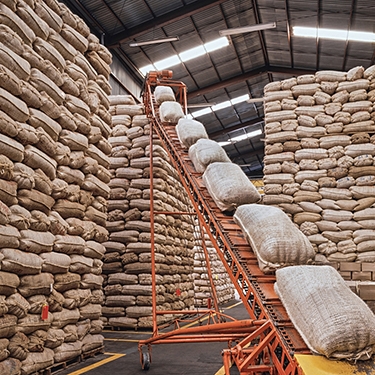
On behalf of a Canadian oilseed processer WPI's team provided market analysis, econometric modeling and financial due diligence in support of a $24 million-dollar investment in a Ukrainian crush plant. Consistent with WPI's findings, local production to supply the plant and the facility's output have expanded exponentially since the investment. WPI has conducted parallel work on behalf of U.S., South American and European clients, both private and public, in the agri-food space.