


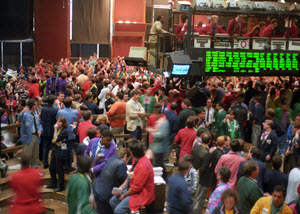
There was generally low volume in grains today as traders await USDA’s important reports on Friday. There is no reason to spend more money on fees or commissions after spending several days aligning with the perceived outcomes. At the same time, market noise does not completely stop and there is inevitably a little bit of second guessing. But the trading that does occur has narrowed in range. Barring any significant development, this will be the result of edginess until noon EST on Friday. There is plenty of volatility in outside markets, but things are mostly in a holding pattern for ags.Part of the position squaring this week ahead of Friday’s USDA January WASDE report is the trade’s assumptions about the final production numbers for the...


 What You Need to Know Today: Brazilian President Luiz Inácio Lula da Silva secured reelection on Sunday, defeating right-wing Senator Flávio Bolsonaro despite trailing in the first round of voting. The surprise victory triggered a sharp selloff in Brazilian financial market...

 The 2026 midterm elections are a week from tomorrow, but early voting has been taking place for weeks. At stake is control of Congress, including the House of Representatives, where all 435 seats are contested, and the Senate, where approximately one-third of the seats are up for election. Farm...
 Key Takeaways: Total U.S. crop acres (excluding hay) are forecast to expand fractionally this year due to greater oilseed crop and winter wheat plantings. One of the key drivers of this year’s crop outlook is input costs, and crops with a lower cost profile have an advantage in producers...

Illuminating the value of technical research

On behalf of a commodity producer organization, WPI evaluated the outputs from a project that featured a $5 million investment into technical research over multiple years. WPI’s team captured the results of this extensive effort and synthesized them for presentation to the organization’s governing board; among the findings uncovered and presented for the first time was the development of genomic traits proven, via rigorous testing, to provide crop yield advantages of 50 percent or more to U.S. farmers in times of drought. Capturing measurable results from long-term efforts can be challenging. Educating clients on the dynamics of success measurement when quantifiable results are not readily available requires deep client-consultant collaboration and an ability to consider both near- and long-term client aspirations with market/policy dynamics – attributes that WPI brings to every consulting engagement.