



The February WASDE held a disappointing note for corn bulls and was modestly friendly for the soy complex. USDA’s forecast of U.S. corn ending stocks was on the high end of expectations while the soybean carry-out was as expected. The general theme of the February WASDE was one of stronger global demand and still adequate supplies. WPI’s work continues to suggest the 2020/21 U.S. corn and soybean balance sheets will continue to tighten and that the bull market is not over yet. In the short-term, however, profit-taking weakness may develop as funds may start to exit their long position. Heading into the noon WASDE, CBOT corn was trading 5-6 cents higher and at new contract highs while soybeans were up 15-18 cents with Marc...


 What You Need to Know Today: Markets got a surprise with a corn yield of 181.2 bushels/acre in the October WASDE, above the average estimate of 177.6 bushels/acre and up from USDA’s September estimate of 178.5 bushels/acre. Although stronger demand is expected to absorb some of the addit...

 Key Takeaways: On Friday afternoon, President Trump announced that Russia will “immediately supply over 300,000 Tons of Diesel Fuel” to the United States. The deal, typical of this administration, is light on details but promises an additional 500,000 tons in November and 1 m...

 The USDA has lowered its 2026 red meat production forecasts slightly while forecasting a slight increase in broiler production. Beef is now projected at 24.802 billion pounds, 75 million pounds less than in September. Cow slaughter is expected to be up; however, this will be offset by lower ste...

From WPI Consulting
Forecasting developments in production agriculture
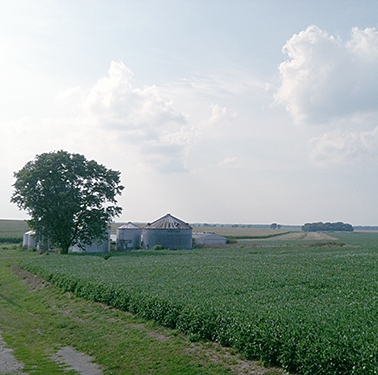
On behalf of a private U.S. agricultural technology provider, WPI’s team generated an econometric model to forecast the movement of concentrated corn production north and west from the traditional U.S. Corn Belt. WPI’s model has subsequently provided quantitative support to a multi-million-dollar investment into short-season corn variety development. WPI’s methodology included a series of interviews with regional grain elevators and seed consultants. Emphasizing outreach and communication with stakeholders who possess intimate sectoral knowledge – on-the-ground insights – is a regular component of WPI’s methodologies, made possible by WPI’s ever-growing network of industry contacts.