



Corn, soybeans, and soymeal turned higher to start the week with markets bouncing from recent lows or recovering from early pushes to new lows. The Goldman roll concluded its fourth day on Monday, which helped drive some of the day’s trade, though roll volume was far below Friday’s massive activity. End-users may have stepped up a bit in the corn and soy markets to start the week, but the export wires remain quiet and no signifcant demand bursts were heard. Funds were likely flat the CBOT for the day with some short covering in soybeans and corn with more selling in wheat. With the February WASDE come and gone, the market is increasingly focused on the South American weather and global export trends, which tends to result in lis...



 What You Need to Know Today: There has already been a strong run of flash soybean sales announcements in recent weeks, but more than 1.4 MMT reported this morning is an exceptionally large single-day total with major implications for the market. If the sales to China and unknown destinations w...
 On Friday, at 6:57 AM, President Donald Trump announced, via a social media post, a 90-day window during which up to 300,000 metric tons of product for ground beef could be imported outside of tariff-rate quotas—a move aimed at bringing down costs for American consumers. This is the secon...

From WPI Consulting
Infrastructure investment due diligence
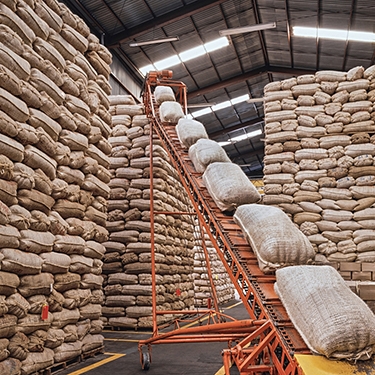
On behalf of a Canadian oilseed processer WPI's team provided market analysis, econometric modeling and financial due diligence in support of a $24 million-dollar investment in a Ukrainian crush plant. Consistent with WPI's findings, local production to supply the plant and the facility's output have expanded exponentially since the investment. WPI has conducted parallel work on behalf of U.S., South American and European clients, both private and public, in the agri-food space.