



Markets are getting into the Halloween spirit, handing out more tricks than treats. There has been some encouraging news, but it hasn’t been enough to slow the broader slide. Now buyers need to show up with something other than another “Charlie Brown” rock for the bag. Something’s Brewing This morning’s economic data added to the uncertainty brewing in outside markets. The first estimate of third-quarter GDP showed the economy growing at a 3.4 percent annualized pace, up from 2.2 percent in the second quarter. Consumer spending, investment and government spending supported growth, while declining exports provided a drag. The economy remains resilient, giving the Fed less urgency to lower rates. September’...


 The new USDA report from the Agricultural Marketing Service (AMS) for Colorado, New Mexico, Texas, Oklahoma, and Kansas, the newly dubbed South Central Daily Direct Slaughter Cattle Report Summary, showed that negotiated cash trade in the region as of Tuesday was mostly inactive, with only ligh...
 Key Takeaways: The United States, Brazil, Argentina, and Ukraine dominate global corn exports, with geography, trade relationships, and seasonal production patterns shaping their competitive advantages. U.S. corn exports reached a record 87.1 MMT in 2025/26, with Mexico, Japan, South Korea, an...
 Key Takeaways: Milk alone has not covered the full economic cost in any year since 2021: milk revenue fell short by $4.50, $2.15, $6.50, $1.27 and $2.34 per hundredweight in 2021 through 2025. Calf and cattle prices decided whether dairies cleared cost: cattle and other income lifted total rev...

From WPI Consulting
Forecasting developments in production agriculture
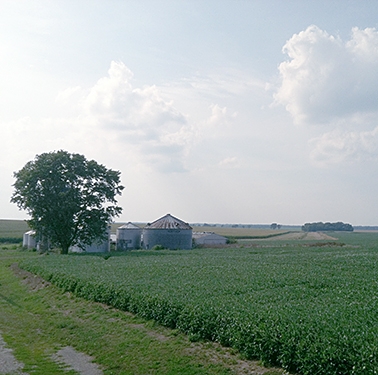
On behalf of a private U.S. agricultural technology provider, WPI’s team generated an econometric model to forecast the movement of concentrated corn production north and west from the traditional U.S. Corn Belt. WPI’s model has subsequently provided quantitative support to a multi-million-dollar investment into short-season corn variety development. WPI’s methodology included a series of interviews with regional grain elevators and seed consultants. Emphasizing outreach and communication with stakeholders who possess intimate sectoral knowledge – on-the-ground insights – is a regular component of WPI’s methodologies, made possible by WPI’s ever-growing network of industry contacts.