



The CBOT saw early pressure develop after the USDA Crop Progress and Conditions report was more favorable than expected for corn, soybeans, and wheat. Despite some dryness and uneven weather over the past few weeks, conditions ratings were generally steady, and – surprisingly – in the case of soybeans, higher. Soybeans were able to shake off those effects on news of pending trade talks between the U.S. and China, but corn could not lose the big-yield blues for the day. KC wheat also fell and hit new contract lows Tuesday, with expectations for larger crops from the EU and Russia working against values. Of course, the day’s fireworks were in the cattle markets where insane beef demand and a shortage of cattle continue to fu...


 What You Need to Know Today: Last week’s Trump-Xi meetings included China agreeing to roll back $60 billion in tariffs on a huge swath of U.S. ag products, just notably not soybeans. The exclusion of soybeans from the tariff-reduction list means China’s state-run importers COFCO an...
 Mexico Trade Deal The Trump Administration is looking for a win before the November midterm elections, now just five weeks away, especially as trade relations with Canada worsen and there is now a truce with China. The U.S. has made it clear to Mexican officials that it wants a deal with Mexico...

 Key Takeaways: The U.S.-China agreement lowers tariffs on several U.S. agricultural products, but the lack of additional soybean commitments or greater certainty surrounding China’s existing 25 MMT purchase pledge made the deal a slight disappointment. Lower tariffs on U.S. corn are unli...

From WPI Consulting
Forecasting developments in production agriculture
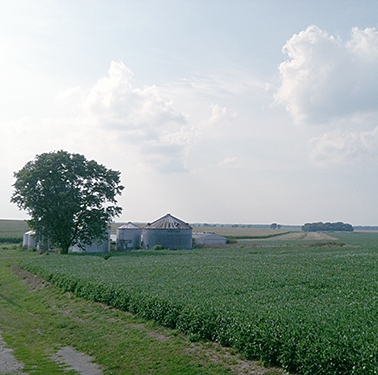
On behalf of a private U.S. agricultural technology provider, WPI’s team generated an econometric model to forecast the movement of concentrated corn production north and west from the traditional U.S. Corn Belt. WPI’s model has subsequently provided quantitative support to a multi-million-dollar investment into short-season corn variety development. WPI’s methodology included a series of interviews with regional grain elevators and seed consultants. Emphasizing outreach and communication with stakeholders who possess intimate sectoral knowledge – on-the-ground insights – is a regular component of WPI’s methodologies, made possible by WPI’s ever-growing network of industry contacts.