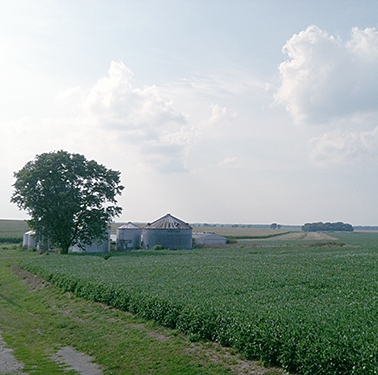
Thursday’s release of USDA’s weekly Drought Monitor report reinforced that new crops in the ground could begin to feel some stress. The report showed abnormally dry conditions throughout most of the U.S. production zone.
The early season dryness could really impact corn, which is why new crop futures spiked higher even as July corn lost value. The heat and dryness could get some relief from scattered storms and thunderstorms, but they are scattered.
USDA’s weekly Export Sales report is delayed until tomorrow due to this past Monday’s federal holiday. At the macro level, a new report shows China’s manufacturing sector may not be contracting after all. Financial markets continued to react posit...


 What You Need to Know Today: Markets got a surprise with a corn yield of 181.2 bushels/acre in the October WASDE, above the average estimate of 177.6 bushels/acre and up from USDA’s September estimate of 178.5 bushels/acre. Although stronger demand is expected to absorb some of the addit...

 Key Takeaways: On Friday afternoon, President Trump announced that Russia will “immediately supply over 300,000 Tons of Diesel Fuel” to the United States. The deal, typical of this administration, is light on details but promises an additional 500,000 tons in November and 1 m...

 The USDA has lowered its 2026 red meat production forecasts slightly while forecasting a slight increase in broiler production. Beef is now projected at 24.802 billion pounds, 75 million pounds less than in September. Cow slaughter is expected to be up; however, this will be offset by lower ste...