



Trading at the CBOT was mixed on Tuesday with expectations for the WASDE differing significantly. For corn and soybeans, traders and analysts are all in on the bearish side of things while there is some growing positivity for the wheat markets. That was reflected in Tuesday’s trade with soybeans down 20 cents, corn off 3 cents, and wheat futures up 5-8 cents for the day. Funds were noted net sellers in the soy complex, thanks in part to sharply weaker crude oil values, and sold a little more in the corn market, though were mostly content to hold onto their still-large short position. For wheat, however, light short covering continued on drought threats to the U.S. and Black Sea fall planting effort and strong U.S. exports. Tuesday&rsq...



 The 2026 midterm elections are a week from tomorrow, but early voting has been taking place for weeks. At stake is control of Congress, including the House of Representatives, where all 435 seats are contested, and the Senate, where approximately one-third of the seats are up for election. Farm...
 Key Takeaways: Total U.S. crop acres (excluding hay) are forecast to expand fractionally this year due to greater oilseed crop and winter wheat plantings. One of the key drivers of this year’s crop outlook is input costs, and crops with a lower cost profile have an advantage in producers...
 Soybeans Market Overview After many weeks of almost no activity in Brazil and little activity in the U.S., this week kicked off with a lot of activity in the U.S. soybean market. Once again, the sole buyer was Sinograin/Cofco, acting on behalf of the Chinese Federal Reserve, which purchased a t...

From WPI Consulting
Infrastructure investment due diligence
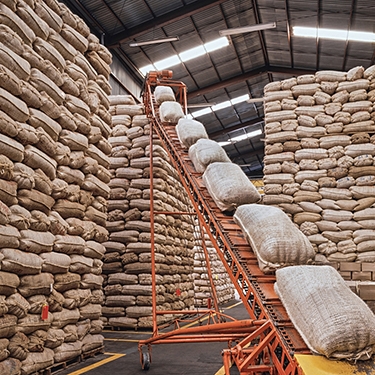
On behalf of a Canadian oilseed processer WPI's team provided market analysis, econometric modeling and financial due diligence in support of a $24 million-dollar investment in a Ukrainian crush plant. Consistent with WPI's findings, local production to supply the plant and the facility's output have expanded exponentially since the investment. WPI has conducted parallel work on behalf of U.S., South American and European clients, both private and public, in the agri-food space.