
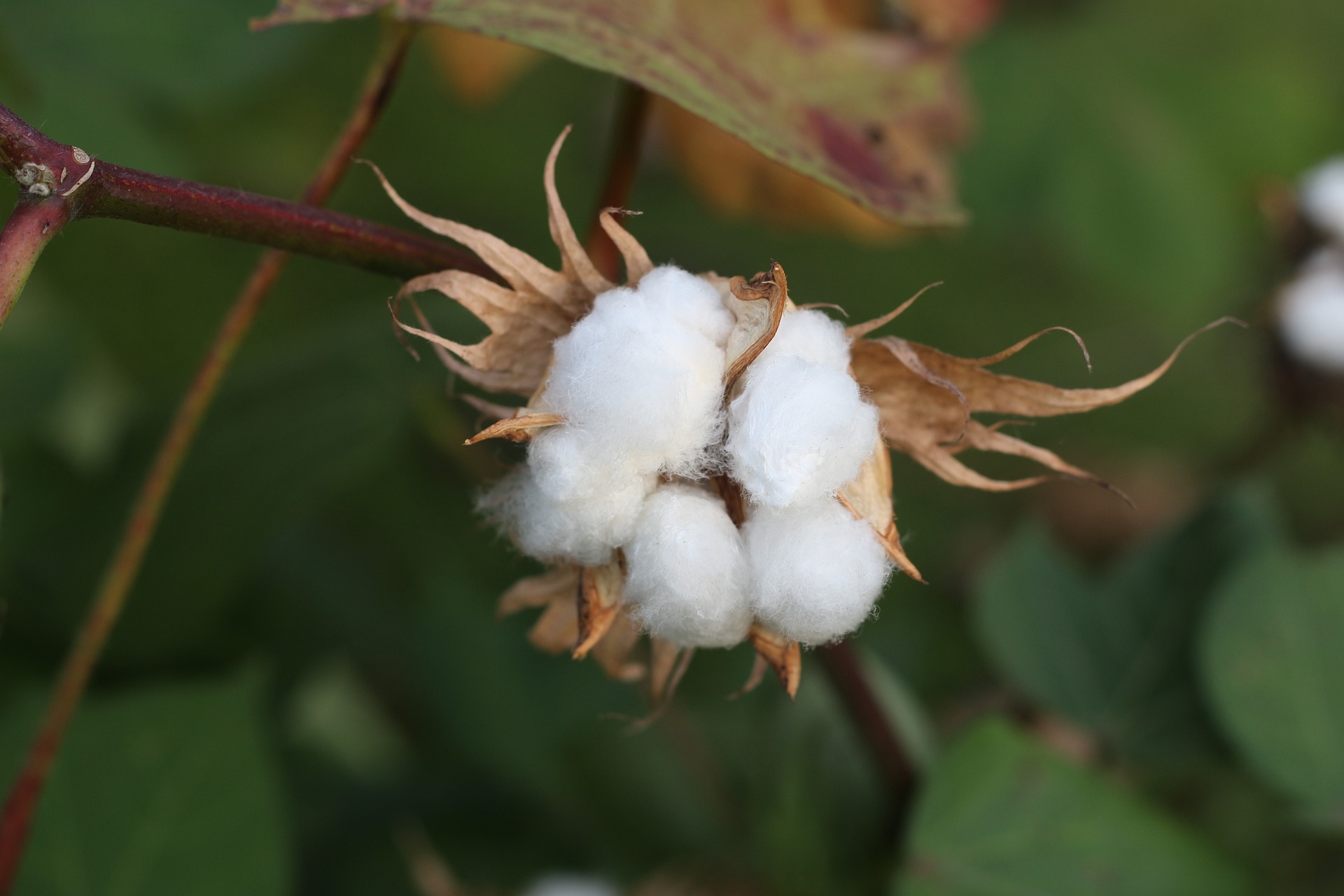
Although many small developing countries produce cotton, about five countries produce most of the fiber. China and India alone account for nearly half the global output of cotton. Four small African countries (Benin, Burkina Faso, Chad, and Mali) formed the Cotton-4 or C-4 consortium many years ago to complain about the subsidies for cotton employed by richer countries. They are not wrong but the C-4+ (now including Côte d'Ivoire) produce just 3.5 percent of the world’s cotton. It doesn’t help that the yield and quality of C-4 cotton is much poorer than larger producers. In response, larger cotton nations refocused the debate on helping C-4 countries improve their output. The “Partenariat pour le Coton”...



 Key Takeaways: Lamb and goat tariffs protect market share, not prices. The flock is too small to respond quickly, and the burden depends on origin: 12.5 percent on Australia and New Zealand, reportedly 37.5 percent plus the base rate on China. Wool is most exposed via the export side. The U.S...
 Key Takeaways: Dry bulk markets are mixed this week with the Capesize sector falling on the demand slump stemming from China’s Golden Week holiday while Panamax and smaller vessel class rates remain firm. The Atlantic’s first hurricane of the season, Hurricane Isaias, intensi...

From WPI Consulting
Weighing in on strategic realignment

WPI’s team was retained by the governing board of a U.S. industry organization to review a decision, reached by vote, to invest significant assets into the development and management of an export trading company. WPI’s team conducted a formal review of this decision and concluded that the current level of market saturation would limit the benefits of the investment. Based on WPI’s analysis and recommended actions, the board subsequently reversed its decision and undertook a strategic planning effort to identify more impactful investments. On behalf of numerous clients, WPI has not only assisted in identifying strategic paths but also advised their implementation.