



Corn Argentina’s corn planting is finally concluded with a total of 7.3 Mha planted. The Buenos Aires Grain Exchange, which had been estimating an excessively high production of 57 MMT, reduced its forecast to 51 MMT. That number is in-line with market estimates due to drought during critical growing/yield definition periods. Despite February’s rains, 24 percent of the corn crop is still in drought conditions. At the same time, 25 percent of the total is rated fair/poor condition. Breaking that out in more detail, the late-planted crop is in much better condition than the early crop and still has time to express its full yield potential. It is very important that rain continue to fall during February. Forecasts are show...


 Russian Grain Markets: 29 June-3 July 2026 The new marketing season has officially begun in Russia, although bearish sentiment has been concentrated in the southern regions closest to the Black Sea ports, where export demand has been weakest. Delays in grain deliveries to inland elevators have...
 What You Need to Know Today: The hot, dry weather forecast continues to drive strength in grain futures with corn and soybeans hitting another day of strong gains. Monday’s Crop Progress and Conditions data were in line with market expectations and showed relatively few concerns for the...
 Key Takeaways: The Middle East and North Africa's arid climate and limited water resources have created a structural dependence on imported wheat. Government wheat tenders in major importing countries serve as important benchmarks for global trade, providing insight into exporter competitivene...

From WPI Consulting
Forecasting developments in production agriculture
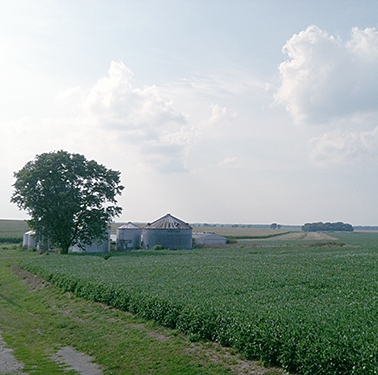
On behalf of a private U.S. agricultural technology provider, WPI’s team generated an econometric model to forecast the movement of concentrated corn production north and west from the traditional U.S. Corn Belt. WPI’s model has subsequently provided quantitative support to a multi-million-dollar investment into short-season corn variety development. WPI’s methodology included a series of interviews with regional grain elevators and seed consultants. Emphasizing outreach and communication with stakeholders who possess intimate sectoral knowledge – on-the-ground insights – is a regular component of WPI’s methodologies, made possible by WPI’s ever-growing network of industry contacts.