


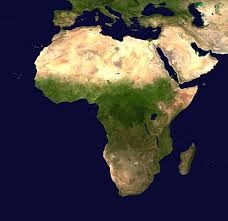
MEDITERRANEAN/MIDDLE EAST COMMENTS Saudi Arabia and the UAE have announced that they will provide more wheat to Sudan – a total of 540,000 MT of wheat has been pledged with more than 200,000 MT shipped to date. Both countries have set up an aid package of about $3 billion for the economic and financial stability of Sudan. The latest FAO report on Saudi Arabia forecasts that cereal imports will increase about 15 percent to 17.4 million MT – barley at 7.7 MMT and corn at 5.2 MMT along with wheat at about 3.2 MMT and rice at 1.3 MMT. Saudi’s local grain production will reach 1.0 MMT – 700,000 MT of wheat, 180,000 MT of sorghum and about 90,000 MT of corn. Wheat production is up by 200,000 MT due to the new gover...



From WPI Consulting
Accountability and a comprehensive approach to export programming

WPI’s team helped construct a strategic approach to develop, implement, and track promotional activities in 8 key regions across the globe for an agricultural export association. With continued progress measurement and strategic advisory services from WPI, the association has seen its ROI from investments in promotional programming increase by 44 percent over the past 5 years. Not only does this type of holistic approach to organizational strategy provide measurable results to track and analyze, it fosters top-down and bottom-up organizational accountability.