
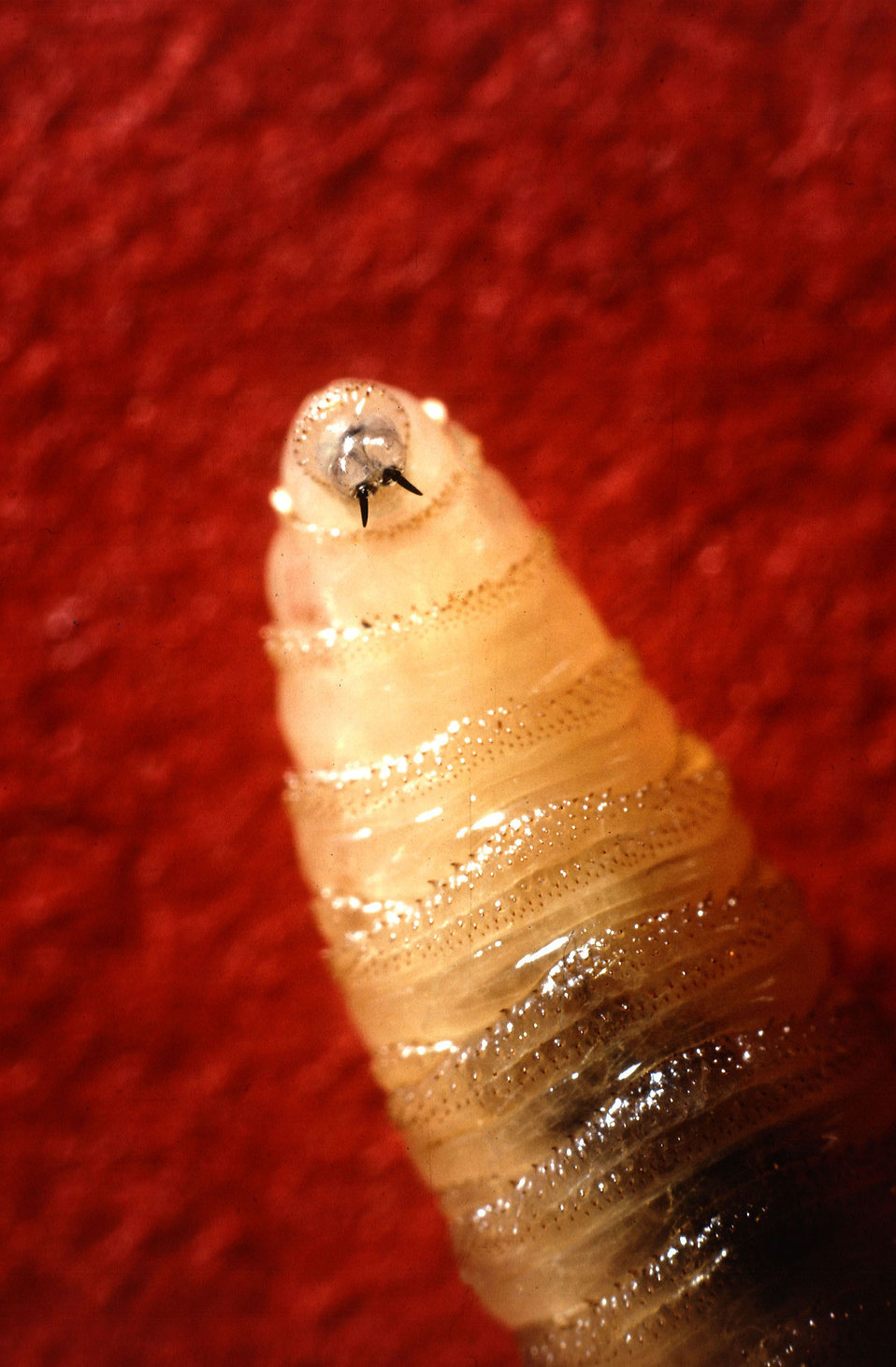
The state of Maryland has reported the first human case of new world screwworm (NWS) in a person who travelled to an affected area. Reports vary citing both El Salvador and Guatemala. A statement from the Maryland Department of Health provides the details: This is the first human case of travel-associated New World screwworm myiasis (parasitic infestation of fly larvae) from an outbreak-affected country identified in the United States. Currently, the risk to public health in the United States from this introduction is very low. According to a spokesperson for the Maryland Department of Health, the resident has recovered from the infection and “there is no indication of transmission to any other individuals or animals...



From WPI Consulting
Illuminating the value of technical research

On behalf of a commodity producer organization, WPI evaluated the outputs from a project that featured a $5 million investment into technical research over multiple years. WPI’s team captured the results of this extensive effort and synthesized them for presentation to the organization’s governing board; among the findings uncovered and presented for the first time was the development of genomic traits proven, via rigorous testing, to provide crop yield advantages of 50 percent or more to U.S. farmers in times of drought. Capturing measurable results from long-term efforts can be challenging. Educating clients on the dynamics of success measurement when quantifiable results are not readily available requires deep client-consultant collaboration and an ability to consider both near- and long-term client aspirations with market/policy dynamics – attributes that WPI brings to every consulting engagement.