
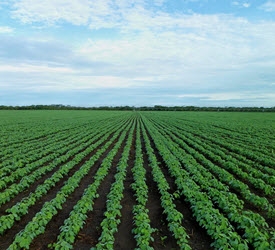
The Market Soymeal drove ever higher this week but soybeans and soyoil took it in the shorts, so to speak. Soybeans continue to be pressured by Brazil’s onslaught, as delayed as that has been. Some complain that it is EPA’s bearish RVO targets too blame for soyoil’s demise. However, forward curve pricing indicates canola prices will slide lower as well. Also weighing on soybean prices is the storage shortage in Brazil. With nowhere to park their bounty, farmers are forced to sell sooner. For the week, May soybeans lost 11.75 cents and May soyoil gave up 4.58 cents. May meal was the exception, adding $4.60/ST. But no worries, speculators continue to add to their long positions. CFTC reports they raised their net long in b...



 What You Need to Know Today: There has already been a strong run of flash soybean sales announcements in recent weeks, but more than 1.4 MMT reported this morning is an exceptionally large single-day total with major implications for the market. If the sales to China and unknown destinations w...
 On Friday, at 6:57 AM, President Donald Trump announced, via a social media post, a 90-day window during which up to 300,000 metric tons of product for ground beef could be imported outside of tariff-rate quotas—a move aimed at bringing down costs for American consumers. This is the secon...

From WPI Consulting
Communicating importance of value-added products

Facing increasing pressure to quantify the value of export promotion efforts to investors, a U.S. industry organization retained WPI to develop a quantitative model that better communicated the importance of exports. The resulting model concluded that value-added meat exports contributed $0.45 cents per bushel to the price of corn, increasing support for that sector’s financial support of WPI’s client. In addition to serving the red meat industry with this type of analysis, WPI has generated similar deliverables for the U.S. soybean and poultry/egg industries.