

The Market Due to the strong yesterday from USDA’s October WASDE report, November soybeans ended the trading week up 14.25 cents. It traded intrasession just a fraction away from the psychological $13 level but it seems stuck just below that for a while to come. Export sales are below USDA’s forecasted pace but ahead of last year due to strong Chinese demand. December soybean meal surged $15.80 yesterday, in part due to a 100 KMT sale that was announced today. Strong meal sales enabled the contract to gain $17.90 on the week and close it out at $390/ST. It traded today at $399 but it is challenged to break its psychological $400 level. By contrast, December soyoil lost about a penny this week and continues to struggle. ...



 What You Need to Know Today: Markets got a surprise with a corn yield of 181.2 bushels/acre in the October WASDE, above the average estimate of 177.6 bushels/acre and up from USDA’s September estimate of 178.5 bushels/acre. Although stronger demand is expected to absorb some of the addit...

 Key Takeaways: On Friday afternoon, President Trump announced that Russia will “immediately supply over 300,000 Tons of Diesel Fuel” to the United States. The deal, typical of this administration, is light on details but promises an additional 500,000 tons in November and 1 m...

 The USDA has lowered its 2026 red meat production forecasts slightly while forecasting a slight increase in broiler production. Beef is now projected at 24.802 billion pounds, 75 million pounds less than in September. Cow slaughter is expected to be up; however, this will be offset by lower ste...

From WPI Consulting
Forecasting developments in production agriculture
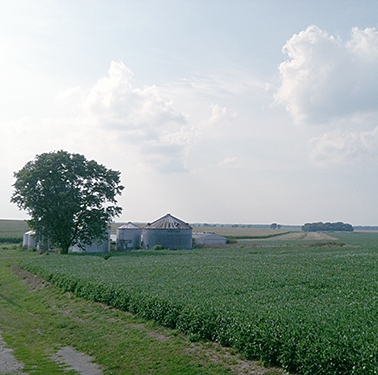
On behalf of a private U.S. agricultural technology provider, WPI’s team generated an econometric model to forecast the movement of concentrated corn production north and west from the traditional U.S. Corn Belt. WPI’s model has subsequently provided quantitative support to a multi-million-dollar investment into short-season corn variety development. WPI’s methodology included a series of interviews with regional grain elevators and seed consultants. Emphasizing outreach and communication with stakeholders who possess intimate sectoral knowledge – on-the-ground insights – is a regular component of WPI’s methodologies, made possible by WPI’s ever-growing network of industry contacts.