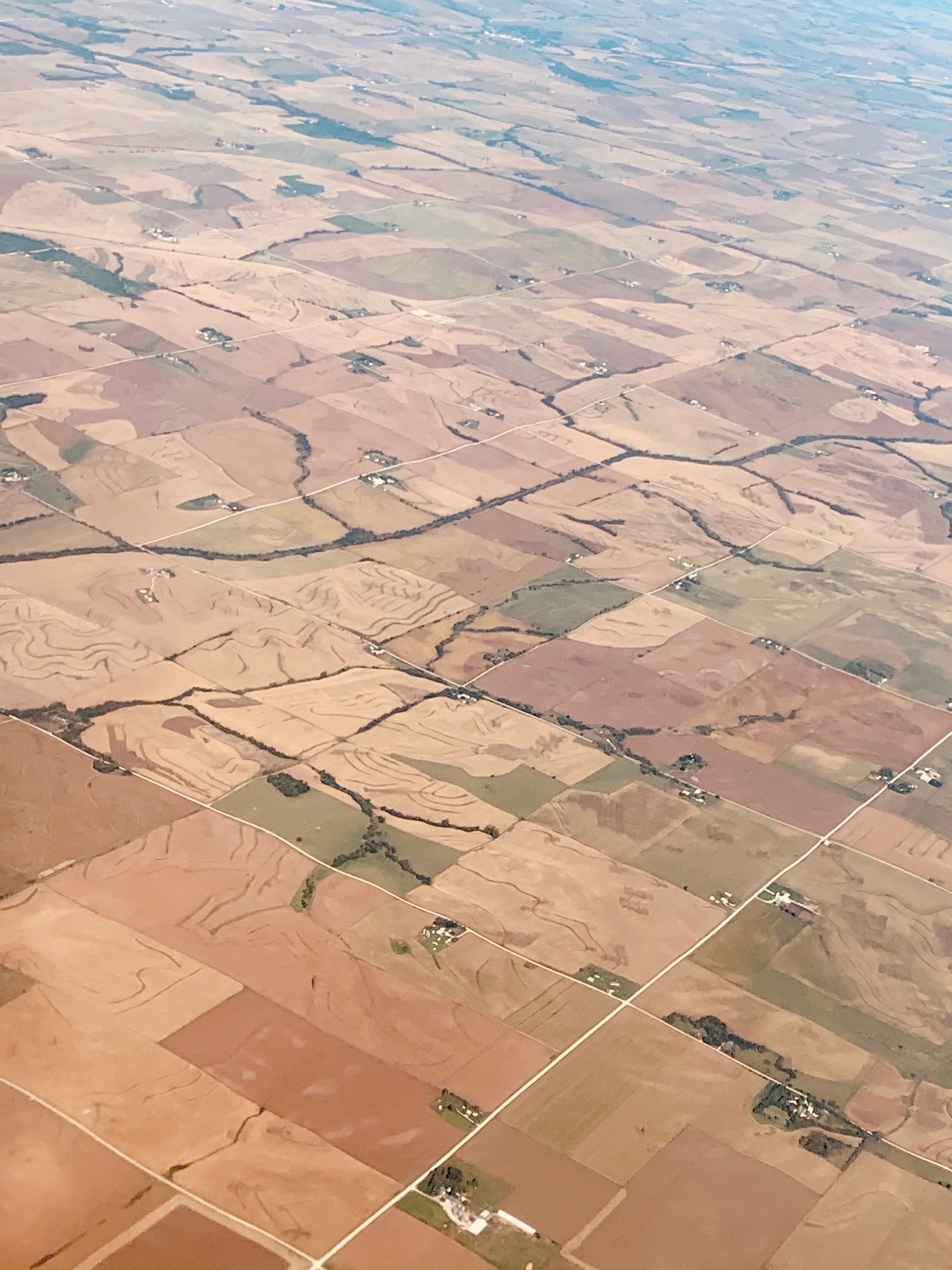
Advocates for organic food in the U.S. lament that acreage devoted to organic food production is expanding at a slower pace than the increase in the number of farms devoted to this type of production. The result is that the average organic farm size has fallen. Based on the number of acres currently in the three-year transition period to certifying organic and assuming the number of farms stays static, the per acre size of organic farms should rise slightly but will remain below that of the average for all U.S. farms (see graph below). Advocates are insisting on increased government assistance, for example the EU’s proposed Farm to Fork mandate that 25 percent of output be organic by 2030. Most economists would reserve policy i...



From WPI Consulting
Accountability and a comprehensive approach to export programming

WPI’s team helped construct a strategic approach to develop, implement, and track promotional activities in 8 key regions across the globe for an agricultural export association. With continued progress measurement and strategic advisory services from WPI, the association has seen its ROI from investments in promotional programming increase by 44 percent over the past 5 years. Not only does this type of holistic approach to organizational strategy provide measurable results to track and analyze, it fosters top-down and bottom-up organizational accountability.