

Ethanol Ethanol production margins continue to experience a counter-seasonal surge, with the energy market rally driving the bulk of the move. Prior to the closure of the Strait of Hormuz in the Persian Gulf, U.S. ethanol margins were already trending above year-ago levels by $0.10-0.20/gallon. The war and the subsequent rally in energy values rapidly changed that, and margins last week were hovering near levels typically reserved for early autumn. Margins last week averaged $1.34/gallon, per USDA data, with gains in ethanol values (which broke $2/gallon for the first time since September 2025), corn oil, and DDGS all contributing to the enhanced profitability. The gains in product and co-product values have far outpaced increases in...



 What You Need to Know Today: Chinese purchases of U.S. soybeans continued to accelerate, with USDA reporting another 558 KMT sold to China and 236 KMT to unknown destinations. Combined with sales announced Wednesday and Thursday, the latest purchases bring the three-day total to approximately...

 Key Takeaways: With the fall calf run now upon us, producers are finally getting a glimpse of what their realized profits will be for 2026. Some producers may have already obtained a strong estimate of 2026 revenues, especially if calves were forward sold in, for example, the mid-summer...
 As fall begins, wild migratory birds are starting their seasonal migration. That has the industry and government officials worried about the potential spread, again, of highly pathogenic avian influenza (HPAI). Some members of Congress have called for the United States to be prepared for a pote...

From WPI Consulting
Forecasting developments in production agriculture
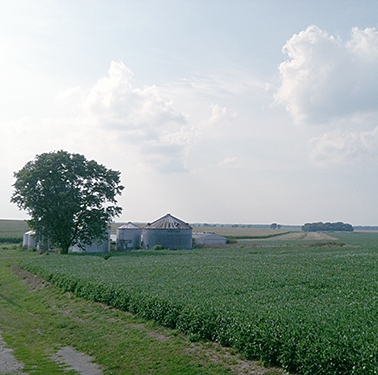
On behalf of a private U.S. agricultural technology provider, WPI’s team generated an econometric model to forecast the movement of concentrated corn production north and west from the traditional U.S. Corn Belt. WPI’s model has subsequently provided quantitative support to a multi-million-dollar investment into short-season corn variety development. WPI’s methodology included a series of interviews with regional grain elevators and seed consultants. Emphasizing outreach and communication with stakeholders who possess intimate sectoral knowledge – on-the-ground insights – is a regular component of WPI’s methodologies, made possible by WPI’s ever-growing network of industry contacts.