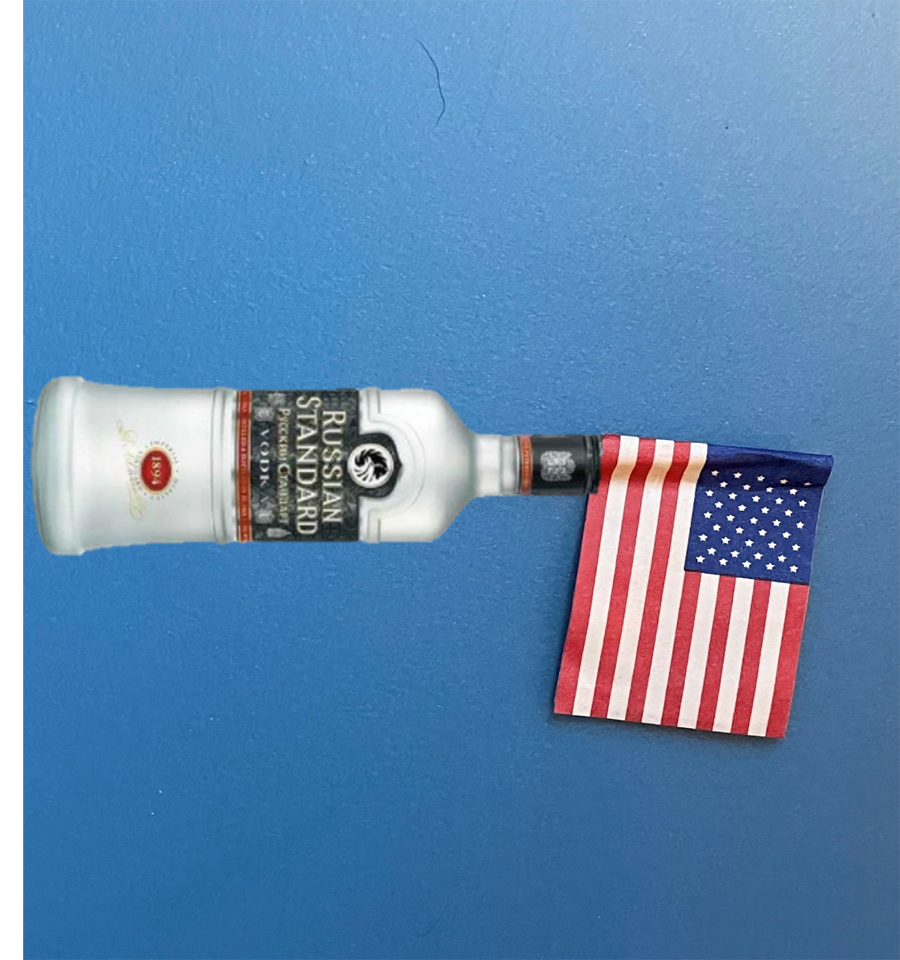
Western leaders have chosen not to inconvenience their citizens over simple Russian aggression. Vladimir Putin has now threatened the use of nuclear weapons and possible military hostilities against Finland and Sweden. Yet, we are still going to be able to buy Russia’s oil and gas, we are still going to be able to buy Russian wheat and sunflowers, we are still going to be able to drink Russian vodka because apparently, we can’t make our own. Russia will still have Permanent Normal Trading Relations, receiving the same benefit of low tariffs on their exports as countries that do not invade their neighbors. EU member Bulgaria even says it will revert to the old Soviet method of bilaterally paying for Russian gas if restrict...



 On Friday, at 6:57 AM, President Donald Trump announced, via a social media post, a 90-day window during which up to 300,000 metric tons of product for ground beef could be imported outside of tariff-rate quotas—a move aimed at bringing down costs for American consumers. This is the secon...

 In agriculture and food processing, we think a lot about infrastructure: transportation and storage, processing and packaging, distribution and delivery. It is a physical system of roads, railroads, and rivers; concrete and steel storage; processing plants, warehouses, and machinery; and, event...
 Based on a Depression-era statute, President Trump imposed 50 percent tariffs on $20 billion of exports to the U.S., or about 5.2 percent of the $383 billion worth of goods the U.S. imported from Canada in 2025, according to U.S. Census Bureau data. Of that total, about $39.3 billion was agricu...

 Unlike the 2022 fertilizer shock, today’s disruption is rooted less in rerouted trade flows and more in damaged production capacity, raw material constraints and uncertain recovery timelines. That makes this a longer-duration risk for U.S. agricultural producers and retailers who must sec...

From WPI Consulting
Forecasting developments in production agriculture
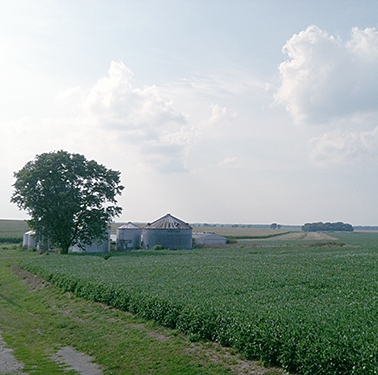
On behalf of a private U.S. agricultural technology provider, WPI’s team generated an econometric model to forecast the movement of concentrated corn production north and west from the traditional U.S. Corn Belt. WPI’s model has subsequently provided quantitative support to a multi-million-dollar investment into short-season corn variety development. WPI’s methodology included a series of interviews with regional grain elevators and seed consultants. Emphasizing outreach and communication with stakeholders who possess intimate sectoral knowledge – on-the-ground insights – is a regular component of WPI’s methodologies, made possible by WPI’s ever-growing network of industry contacts.