


Back in 2013, under the U.S. sugar program, sugar refiners and processors were headed toward forfeiting more than 350,000 MT of sugar under loan, which triggered the Feedstock Flexibility Program (FFP). That program, created in the 2008 farm bill, requires USDA to purchase surplus sugar (technically prevent forfeiture), and re-sell it to bioenergy producers in order to reduce the surplus in the food use market and support sugar prices. FFP was mostly a bust across the board. Going into the program, USDA estimated that they could sell the sugar to ethanol mills for between 7 and 8 cents a pound; instead USDA netted an average of 3 cents a pound. Moreover, some of the sugar never made its way into ethanol production because ethanol producers...



From WPI Consulting
Infrastructure investment due diligence
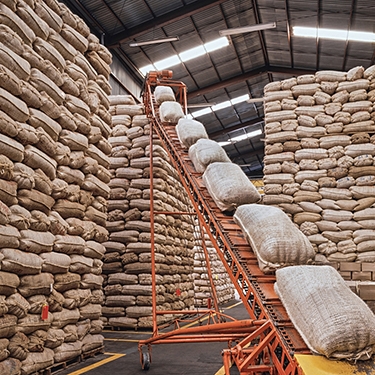
On behalf of a Canadian oilseed processer WPI's team provided market analysis, econometric modeling and financial due diligence in support of a $24 million-dollar investment in a Ukrainian crush plant. Consistent with WPI's findings, local production to supply the plant and the facility's output have expanded exponentially since the investment. WPI has conducted parallel work on behalf of U.S., South American and European clients, both private and public, in the agri-food space.