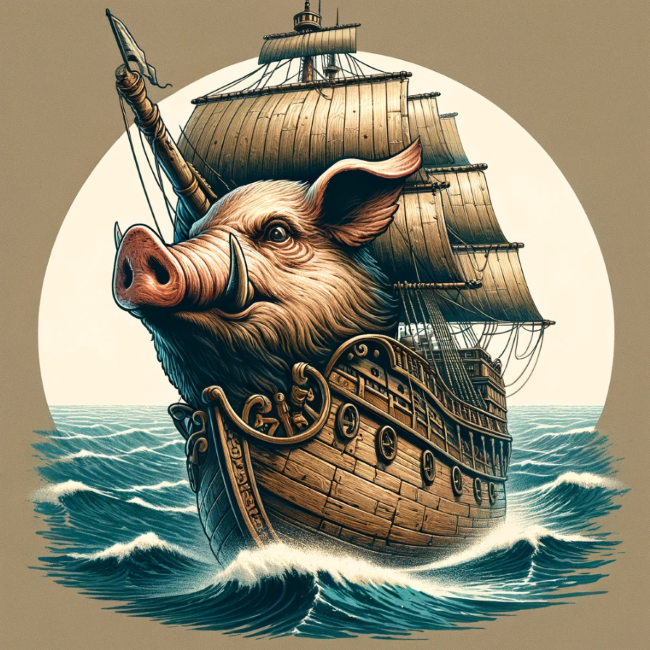
At a recent hearing of the Senate Finance Committee, the National Pork Producers Council (NPPC) highlighted Africa’s call for the renewal of the African Growth and Opportunity Act (AGAO) while at the same time calling for the removal of South Africa and Nigeria from the agreement because of trade barriers on imports of U.S. pork. AGOA was authorized in 2000, and re-authorized in 2015 until September 2025. Per NPPC, South Africa, which has been resistant to U.S. broiler exports, but is increasing its beef imports, provides no market access for pork offal, which the U.S. industry sees as a key potential market. There are a number of other non-tariffs trade barriers, such as a lack of guidance for the requirement that lymph nodes be rem...


 WPI Grain Prices and Freight Rate App Note: you can also visit the app directly by clicking here. Supplemental Information The section below offers a concise view of the options available in the current version of the WPI FOB Price and Freight Rate app, along with a short “How To”...


 Mediterranean/Middle East/North Africa/Africa – MEA Region Pakistan’s smaller wheat farmers have been holding protests to complain about the lack of a support price for wheat and the potential expansion of GMO crop production. They also want the reinstatement of PASSCO, the governme...

 Tanker-tracking data shows a smaller recovery in oil flowing through the Strait of Hormuz than previously thought. Energy Secretary Chris Wright, speaking by video to an international energy conference in Riyadh, Saudi Arabia, said that oil moving through the strait was back to 80 to 90 percent...

From WPI Consulting
Illuminating the value of technical research

On behalf of a commodity producer organization, WPI evaluated the outputs from a project that featured a $5 million investment into technical research over multiple years. WPI’s team captured the results of this extensive effort and synthesized them for presentation to the organization’s governing board; among the findings uncovered and presented for the first time was the development of genomic traits proven, via rigorous testing, to provide crop yield advantages of 50 percent or more to U.S. farmers in times of drought. Capturing measurable results from long-term efforts can be challenging. Educating clients on the dynamics of success measurement when quantifiable results are not readily available requires deep client-consultant collaboration and an ability to consider both near- and long-term client aspirations with market/policy dynamics – attributes that WPI brings to every consulting engagement.