
Dry-bulk markets are firmer this week with the Capesize sector again leading the rally. Capesize rates saw support from stronger volumes from East Australia and the Pacific with Brazil and West Africa seeing demand for LH December and January positions. Panamax markets were firmer with growing grain and coal demand from the U.S. Gulf and East Coast supporting values. The added demand boosted fronthaul sentiment despite added market volatility and wide bid-ask spreads on transatlantic business. The North Atlantic trade was primarily responsible for the week’s strength, as South Atlantic rates weakened a tick. The Handymax and Supramax sectors are mostly steady this week with limited activity preventing any gains in rates. Atlanti...



From WPI Consulting
Infrastructure investment due diligence
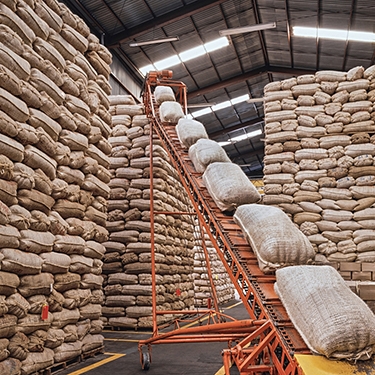
On behalf of a Canadian oilseed processer WPI's team provided market analysis, econometric modeling and financial due diligence in support of a $24 million-dollar investment in a Ukrainian crush plant. Consistent with WPI's findings, local production to supply the plant and the facility's output have expanded exponentially since the investment. WPI has conducted parallel work on behalf of U.S., South American and European clients, both private and public, in the agri-food space.