
Wheat - USDA’s April 2025 estimates are for increased U.S. wheat imports by 10 million bushels to 150 million - the largest since 2017/18. Domestic consumption is forecast 2 million bushels lower on reduced seed use. U.S. wheat exports are lowered 15 million bushels to 820 million. As a result, projected 2024/25 ending stocks are raised 27 million bushels to 846 million, 22 percent above the previous year. The season average farm price is unchanged at $5.50 per bushel. Global wheat stocks for 2024/25 are the lowest since 2015/16. ...



 What You Need to Know Today: Last week’s Trump-Xi meetings included China agreeing to roll back $60 billion in tariffs on a huge swath of U.S. ag products, just notably not soybeans. The exclusion of soybeans from the tariff-reduction list means China’s state-run importers COFCO an...
 Mexico Trade Deal The Trump Administration is looking for a win before the November midterm elections, now just five weeks away, especially as trade relations with Canada worsen and there is now a truce with China. The U.S. has made it clear to Mexican officials that it wants a deal with Mexico...

 Key Takeaways: The U.S.-China agreement lowers tariffs on several U.S. agricultural products, but the lack of additional soybean commitments or greater certainty surrounding China’s existing 25 MMT purchase pledge made the deal a slight disappointment. Lower tariffs on U.S. corn are unli...

From WPI Consulting
Infrastructure investment due diligence
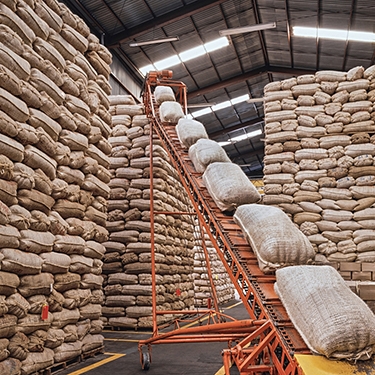
On behalf of a Canadian oilseed processer WPI's team provided market analysis, econometric modeling and financial due diligence in support of a $24 million-dollar investment in a Ukrainian crush plant. Consistent with WPI's findings, local production to supply the plant and the facility's output have expanded exponentially since the investment. WPI has conducted parallel work on behalf of U.S., South American and European clients, both private and public, in the agri-food space.